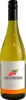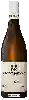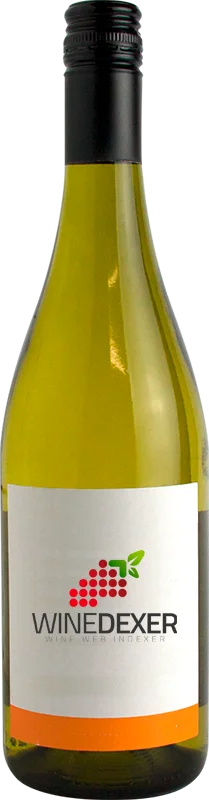
Winery IdiomSauvignon Blanc - Sémillon
 White wine


This wine generally goes well with vegetarian, poultry or rich fish (salmon, tuna etc).
Wine flavors and olphactive analysis




On the nose the Sauvignon Blanc - Sémillon of Winery Idiom in the region of Western Cape often reveals types of flavors of earth, tree fruit or citrus fruit.
Food and wine pairings with Sauvignon Blanc - Sémillon
Pairings that work perfectly with Sauvignon Blanc - Sémillon



Original food and wine pairings with Sauvignon Blanc - Sémillon


The Sauvignon Blanc - Sémillon of Winery Idiom matches generally quite well with dishes of rich fish (salmon, tuna etc), shellfish or sweet desserts such as recipes of sea bream with white wine, blanquette of the sea or apple pie.
Details and technical informations about Winery Idiom's Sauvignon Blanc - Sémillon.
Discover the grape variety: Chichaud
It is most certainly from the Ardèche, and is not found anywhere else. It has long been confused with the cinsaut called boudalès in this region, which explains why it has the synonym tsintsao. It is said to be related to the white humagne. Today, Chichaud is on the verge of extinction, although it is registered in the Official Catalogue of wine grape varieties, list A1.
Last vintages of this wine
The best vintages of Sauvignon Blanc - Sémillon from Winery Idiom are 2012, 0
Informations about the Winery Idiom
The Winery Idiom is one of of the world's great estates. It offers 31 wines for sale in the of Western Cape to come and discover on site or to buy online.

The wine region of Western Cape
The Western Cape is home to the vast majority of the South African wine industry, and the country's two most famous wine regions, Stellenbosch and Paarl. The city of Cape Town serves as the epicenter of the Cape Winelands, a mountainous, biologically diverse area in the south-western corner of the African continent. A wide variety of wines are produced here. Wines from the Shiraz and Pinotage">Pinotage grape varieties can be fresh and juicy or Full-bodied and gutsy.
The word of the wine: Black Grenache
Grenache is a black grape variety that originated in Spain and is one of the great quality varieties of southern France. Sometimes vinified on its own, it is most often blended with one or more other Rhone or southern grape varieties with complementary qualities such as Syrah, Mourvèdre, Carignan or Cinsault. Its wines are warm, with aromas of red fruits (cherry) and spices; they oxidize with time. Vinified alone or in very large proportions, Grenache Noir also makes great natural sweet wines in Roussillon (Rivesaltes, Banyuls, Maury) and in the Rhône Valley (Rasteau).