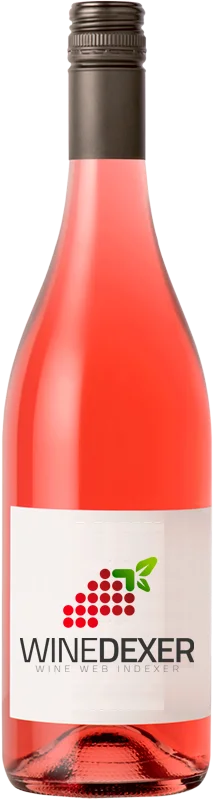
Winery IbizkusCan Bassó
 Pink wine



This wine generally goes well with
The Can Bassó of the Winery Ibizkus is in the top 20 of wines of Ibiza.
Details and technical informations about Winery Ibizkus's Can Bassó.
Discover the grape variety: Ahmeur bou A(h)meur
Its origin would be from North Africa (Algeria/Kabylie) or Spain. It is a variety that was often grown on trellises in front of houses and sometimes its grapes were preserved in brandy to be enjoyed throughout the year. It is found in North Africa, the United States (California), Argentina, Spain and Portugal. In France, it is not well known because of its susceptibility to winter frosts and its late ripening.
Last vintages of this wine
The best vintages of Can Bassó from Winery Ibizkus are 0
Informations about the Winery Ibizkus
The Winery Ibizkus is one of of the world's greatest estates. It offers 10 wines for sale in the of Ibiza to come and discover on site or to buy online.

The wine region of Ibiza
The wine region of Ibiza is located in the region of Iles Baléares of Spain. Wineries and vineyards like the Domaine Totem or the Domaine Ibizkus produce mainly wines red, pink and white. The most planted grape varieties in the region of Ibiza are Tempranillo, Cabernet-Sauvignon and Merlot, they are then used in wines in blends or as a single variety. On the nose of Ibiza often reveals types of flavors of non oak, oak or microbio and sometimes also flavors of tree fruit, spices or black fruit.
The wine region of Iles Baléares
The Balearic Islands (Las Islas Baleares) collectively form one of Spain's 17 official administrative regions. This idyllic archipelago Lies about 95 km east of the Iberian Peninsula in the western Mediterranean. The islands' closest neighbours are the provinces of Valencia and Murcia to the west, and Catalonia to the North. The four largest islands (Mallorca, Menorca, Ibiza and Formentera) are known as the archetypal Mediterranean holiday destinations.
The word of the wine: Acescence
An alteration in wine also known as pitting (hence the expression piqué wine), due to the presence of acetic acid and ethyl acetate, and characterized by a vinegar-like odor.