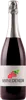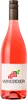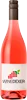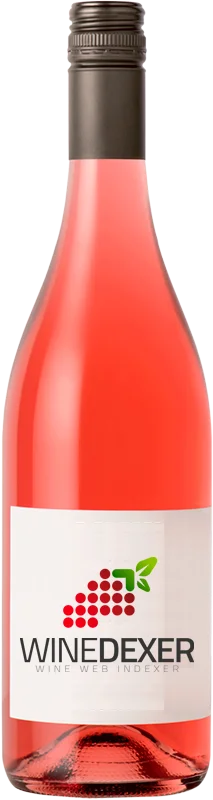
Huff EstatesRosé
 Pink wine



This wine is a blend of 3 varietals which are the Cabernet franc, the Cabernet-Sauvignon and the Merlot.
This wine generally goes well with pork, poultry or beef.

Wine flavors and olphactive analysis



On the nose the Rosé of Huff Estates in the region of Ontario often reveals types of flavors of earth, tree fruit or citrus fruit and sometimes also flavors of red fruit.
Food and wine pairings with Rosé
Pairings that work perfectly with Rosé



Original food and wine pairings with Rosé



The Rosé of Huff Estates matches generally quite well with dishes of beef, lamb or pork such as recipes of vegetable noddles, lamb tagine with honey and dried fruits or english breakfast.
Details and technical informations about Huff Estates's Rosé.
Discover the grape variety: Cabernet franc
Supple, fragrant reds with fine tannins and vibrant freshness, showing raspberry, violet, green pepper, pencil lead and gentle spice aromas. Star of the Loire as a single variety (Chinon, Bourgueil, Saumur-Champigny) and of the right bank of Bordeaux in blends (Cheval Blanc at 60%). Also in semi-dry Anjou rosés. A historic Bordeaux variety, parent of Cabernet-Sauvignon, Merlot and Carmenère.
Last vintages of this wine
The best vintages of Rosé from Huff Estates are 2019, 2017, 0
Informations about the Huff Estates
The Huff Estates is one of of the world's greatest estates. It offers 18 wines for sale in the of Ontario to come and discover on site or to buy online.

The wine region of Ontario
World reference for Canadian Icewine: exceptional sweet wines from grapes frozen on the vine, golden colour, signature notes of candied apricot, mango, honey, citrus and exotic fruits, opulent sugar balanced by taut acidity (Vidal for fruit, Riesling for finesse). Cool-climate still wines: mineral, lively Riesling, precise Chardonnay, fine Pinot Noir (cherry, undergrowth), peppery Cabernet Franc. ~5,500 ha on the Niagara Peninsula between Lake Ontario and the escarpment, VQA.
The word of the wine: Astringency
Chemical stimulation that tightens the mucous membranes of the mouth and causes a sensation of harshness, which is characteristic of the presence of tannins. With time, the tannins lose their harshness and become softer.