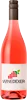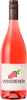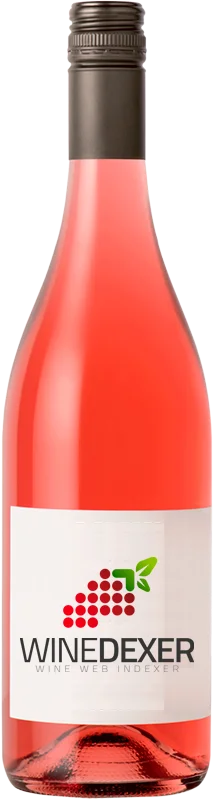
Winery HogbergaHögberga Rosé
 Pink wine


This wine is a blend of 4 varietals which are the Cabernet-Sauvignon, the Petit Verdot, the Sangiovese and the Merlot.
This wine generally goes well with pork, poultry or beef.
The Högberga Rosé of the Winery Hogberga is in the top 50 of wines of Sweden and in the top 50 of wines of Stockholm.

Food and wine pairings with Högberga Rosé
Pairings that work perfectly with Högberga Rosé



Original food and wine pairings with Högberga Rosé



The Högberga Rosé of Winery Hogberga matches generally quite well with dishes of beef, lamb or veal such as recipes of korean bibimbap, moroccan lamb stew or sauté of veal with tomato.
Details and technical informations about Winery Hogberga's Högberga Rosé.
Discover the grape variety: Cabernet-Sauvignon
Structured, tannic reds, deeply coloured, with aromas of blackcurrant, blackberry, cedar, tobacco and graphite, underpinned by firm acidity and fine ageing potential. Cornerstone of the great Médoc estates (Pauillac, Saint-Estèphe, Saint-Julien) and signature of Napa Valley, Coonawarra and Maipo. The world's most planted red variety, a natural cross of Cabernet Franc x Sauvignon Blanc born in Bordeaux.
Last vintages of this wine
The best vintages of Högberga Rosé from Winery Hogberga are 0
Informations about the Winery Hogberga
The Winery Hogberga is one of of the world's great estates. It offers 20 wines for sale in the of Stockholm to come and discover on site or to buy online.

The wine region of Stockholm
Capital region of Sweden (Selaön), emerging viticulture aided by climate warming, among the world's most northerly vineyards (Blaxsta), 20% more daylight than Bordeaux. Solaris is the signature white king (cold-hardy PIWI hybrid): aromatic and taut with citrus, white peach, white flowers, herbs and a honeyed touch, straight acidity. Rondo and Regent as light fruity reds. Premium specialities: concentrated ice wines and traditional-method sparkling.
The word of the wine: Maceration
Prolonged contact and exchange between the juice and the grape solids, especially the skin. Not to be confused with the time of fermentation, which follows maceration. The juice becomes loaded with colouring matter and tannins, and acquires aromas. For a rosé, the maceration is short so that the colour does not "rise" too much. For white wines too, a "pellicular maceration" can be practised, which allows the wine to acquire more fat.