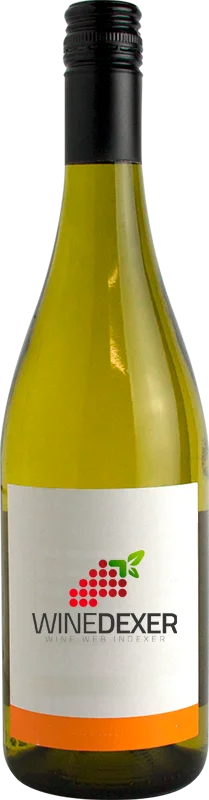
Winery BlossaStarkvinsglögg
 Sweet wine



This wine generally goes well with
The Starkvinsglögg of the Winery Blossa is in the top 5 of wines of Sweden and in the top 5 of wines of Stockholm.

Wine flavors and olphactive analysis





On the nose the Starkvinsglögg of Winery Blossa in the region of Stockholm often reveals types of flavors of ginger, mango or earth and sometimes also flavors of spices, citrus fruit or tropical fruit.
Details and technical informations about Winery Blossa's Starkvinsglögg.
Discover the grape variety: Doçal de Refóios
Very fresh and light whites with a pale golden robe, airy palate with lively acidity, showing signature aromas of citrus (lemon), white flowers and nervous notes. Confidential heritage profile. Rare and confidential, it belongs to the heritage varieties preserved for their genetic and historical interest within the Vinho Verde DOC. Portuguese white autochtone variety from northern Minho, in the Lima sub-region.
Last vintages of this wine
The best vintages of Starkvinsglögg from Winery Blossa are 2015, 2017, 2016, 2014 and 2012.
Informations about the Winery Blossa
The Winery Blossa is one of of the world's greatest estates. It offers 17 wines for sale in the of Stockholm to come and discover on site or to buy online.

The wine region of Stockholm
Capital region of Sweden (Selaön), emerging viticulture aided by climate warming, among the world's most northerly vineyards (Blaxsta), 20% more daylight than Bordeaux. Solaris is the signature white king (cold-hardy PIWI hybrid): aromatic and taut with citrus, white peach, white flowers, herbs and a honeyed touch, straight acidity. Rondo and Regent as light fruity reds. Premium specialities: concentrated ice wines and traditional-method sparkling.
The word of the wine: Sirupy
Close to the sensation of unctuousness, said of a wine that gives the impression of having the consistency of a syrup.