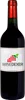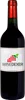
Winery MeyerSpätburgunder Trocken
 Red wine


In the mouth this red wine is a with a nice balance between acidity and tannins.
This wine generally goes well with poultry, beef or veal.

Taste structure of the Spätburgunder Trocken from the Winery Meyer
Light | Bold | |
Smooth | Tannic | |
Dry | Sweet | |
Soft | Acidic |
In the mouth the Spätburgunder Trocken of Winery Meyer in the region of Pfalz is a with a nice balance between acidity and tannins.
Food and wine pairings with Spätburgunder Trocken
Pairings that work perfectly with Spätburgunder Trocken



Original food and wine pairings with Spätburgunder Trocken

The Spätburgunder Trocken of Winery Meyer matches generally quite well with dishes of beef, veal or game (deer, venison) such as recipes of stuffed beef rolls, fillet of beef with morels or duck stew.
Details and technical informations about Winery Meyer's Spätburgunder Trocken.
Discover the grape variety: Albillo mayor
Structured, fat dry whites with a pale golden robe, an ample palate and preserved acidity of refined yellow fruits (pear, peach, apricot), candied citrus, white flowers, fennel and calcareous mineral notes. Fine lees-ageing potential. Emerging star of Ribera del Duero DO whites (officially approved in 2019) on the Castilian high plateaus. Native Spanish grape of the upper Douro valley, descendant of hebén, in full qualitative revival.
Last vintages of this wine
The best vintages of Spätburgunder Trocken from Winery Meyer are 0, 2016
Informations about the Winery Meyer
The Winery Meyer is one of of the world's great estates. It offers 34 wines for sale in the of Pfalz to come and discover on site or to buy online.

The wine region of Pfalz
Fleshy, dry, fruity Riesling is the region's signature: yellow peach, apricot, ripe citrus, lovely mineral tension. Germany's largest red-wine area (40%), with silky Spätburgunder showing red fruit and spice, darker structured Dornfelder, supple Portugieser. Some rounded Pinot Blanc and Pinot Gris. A 23,640 ha vineyard along the Haardt, among Germany's warmest (>2,000 h of sun).
The word of the wine: Cooked wine
In Provence, wine made from must cooked and reduced over a wood fire, traditionally consumed at Christmas time with the thirteen desserts.