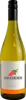
Winery HernderRhubarb
 Sweet wine



This wine generally goes well with
Wine flavors and olphactive analysis

On the nose the Rhubarb of Winery Hernder in the region of Ontario often reveals types of flavors of vegetal.
Details and technical informations about Winery Hernder's Rhubarb.
Discover the grape variety: Brachet
Brachet noir is a grape variety that originated in France (Provence). It produces a variety of grape specially used for wine making. It is rare to find this grape to eat on our tables. This variety of grape is characterized by medium-sized bunches and medium-sized grapes. Brachet noir can be found cultivated in these vineyards: South West, Cognac, Bordeaux, Provence & Corsica, Rhone Valley.
Last vintages of this wine
The best vintages of Rhubarb from Winery Hernder are 0
Informations about the Winery Hernder
The Winery Hernder is one of of the world's greatest estates. It offers 8 wines for sale in the of Niagara Peninsula to come and discover on site or to buy online.

The wine region of Niagara Peninsula
Niagara Peninsula is the largest and most productive viticultural area in Canada, located on the Southern shores of Lake Ontario. It stretches roughly 55km (35 miles) between the eastern limits of Hamilton city in the west and the left bank of the Niagara River as it flows into Lake Ontario. The VQA covers over 13,000 acres (5,200 hectares) oand produces mainly cool Climate varieties such as Riesling, Chardonnay, Pinot Noir and Cabernet Franc. It also produces a large Volume of ice wine.
The wine region of Ontario
Ontario is the most populated and prolific wine producing province in Canada. The Long established wine industry here is centered around the Great Lakes of Erie and Ontario, where the continental Climate is moderated heavily by the large bodies of water. The majority of wines produced in Ontario are Dry table wines (around 60 percent are white and 40 percent red). They are mostly made from Riesling, Cabernet Franc, Chardonnay, and Pinot Noir.
The word of the wine: Fees
This wine is characterized by a pleasant nervousness and an overall sensation of freshness on the palate, reinforced by minerality, a note of bitterness, a hint of CO2, and of course an appropriate serving temperature.