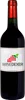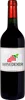
Winery HernderDeep Roots Baco Noir Reserve
 Red wine


This wine generally goes well with
Wine flavors and olphactive analysis




On the nose the Deep Roots Baco Noir Reserve of Winery Hernder in the region of Ontario often reveals types of flavors of non oak, earth or microbio and sometimes also flavors of oak, red fruit or black fruit.
Details and technical informations about Winery Hernder's Deep Roots Baco Noir Reserve.
Discover the grape variety: Baco noir
It is the only vinifera-riparia that has been commercialized. It is the result of crossing the folle blanche with the riparia grand glabre created in 1902 by François Baco. Depending on the region, we can still find some small plots of black Baco vines often mixed with other varieties. You will also find trellises or arbors installed a long time ago in front of old houses and still maintained in a more than remarkable way thanks to the great vigour of this variety. It should be noted that there is also a white baco resulting from the crossing of the folle blanche by the noah and resembling much the latter.
Last vintages of this wine
The best vintages of Deep Roots Baco Noir Reserve from Winery Hernder are 2012, 0
Informations about the Winery Hernder
The Winery Hernder is one of of the world's greatest estates. It offers 8 wines for sale in the of Ontario to come and discover on site or to buy online.

The wine region of Ontario
Ontario is the most populated and prolific wine producing province in Canada. The Long established wine industry here is centered around the Great Lakes of Erie and Ontario, where the continental Climate is moderated heavily by the large bodies of water. The majority of wines produced in Ontario are Dry table wines (around 60 percent are white and 40 percent red). They are mostly made from Riesling, Cabernet Franc, Chardonnay, and Pinot Noir.
The word of the wine: Warm
A wine rich in alcohol whose power is expressed by an alcoholic nose and a burning sensation in the mouth.