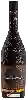
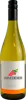
Winery Heredad ValentiaChardonnay
 White wine


In the mouth this white wine is a .
This wine generally goes well with pork, vegetarian or poultry.
Taste structure of the Chardonnay from the Winery Heredad Valentia
Light | Bold | |
Dry | Sweet | |
Soft | Acidic |
In the mouth the Chardonnay of Winery Heredad Valentia in the region of Castille is a .
Food and wine pairings with Chardonnay
Pairings that work perfectly with Chardonnay



Original food and wine pairings with Chardonnay

The Chardonnay of Winery Heredad Valentia matches generally quite well with dishes of pork, rich fish (salmon, tuna etc) or vegetarian such as recipes of sauerkraut (with tips so to do!!!), fish balls or leek, goat cheese and bacon quiche.
Details and technical informations about Winery Heredad Valentia's Chardonnay.
Discover the grape variety: Chardonnay
The white Chardonnay is a grape variety that originated in France (Burgundy). It produces a variety of grape specially used for wine making. It is rare to find this grape to eat on our tables. This variety of grape is characterized by small bunches, and small grapes. White Chardonnay can be found in many vineyards: South West, Burgundy, Jura, Languedoc & Roussillon, Cognac, Bordeaux, Beaujolais, Savoie & Bugey, Loire Valley, Champagne, Rhone Valley, Armagnac, Lorraine, Alsace, Provence & Corsica.
Last vintages of this wine
The best vintages of Chardonnay from Winery Heredad Valentia are 0
Informations about the Winery Heredad Valentia
The Winery Heredad Valentia is one of of the world's greatest estates. It offers 2 wines for sale in the of Castille to come and discover on site or to buy online.

The wine region of Castille
Castilla-La Mancha is a large region located South and east of the Spanish capital, Madrid. Inexpensive table wines are produced from a variety of Grapes. Higher quality wines are increasingly available, but the region is traditionally known as a source of low quality bulk wine. More than half of Spain's grapes are grown here.
The word of the wine: SGN
Selection of noble grains. Appellation reserved for a type of sweet wine produced in Alsace.