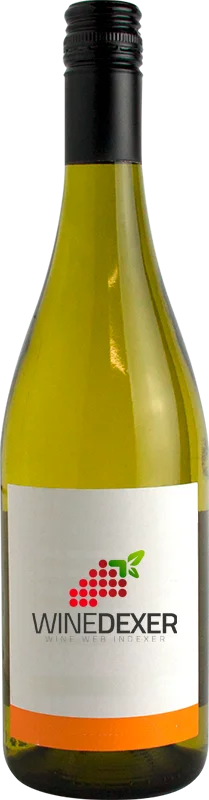
Winery Heinrich LorchSilvaner Lieblich
 White wine



In the mouth this white wine is a with a nice freshness.
This wine generally goes well with pork, vegetarian or poultry.

Taste structure of the Silvaner Lieblich from the Winery Heinrich Lorch
Light | Bold | |
Dry | Sweet | |
Soft | Acidic |
In the mouth the Silvaner Lieblich of Winery Heinrich Lorch in the region of Pfalz is a with a nice freshness.
Food and wine pairings with Silvaner Lieblich
Pairings that work perfectly with Silvaner Lieblich



Original food and wine pairings with Silvaner Lieblich


The Silvaner Lieblich of Winery Heinrich Lorch matches generally quite well with dishes of veal, pork or vegetarian such as recipes of sauté of veal with corsican style, stuffed tomatoes with thermomix or light tuna-tomato quiche (without cream).
Details and technical informations about Winery Heinrich Lorch's Silvaner Lieblich.
Discover the grape variety: Neretto di Bairo
Light, fruity reds with a clear ruby colour, silky tannins and an airy palate with fresh acidity. Signature aromas of red fruits (cherry, raspberry) and gentle spice. A confidential heritage variety. Occasionally blended into Canavese DOC wines or bottled as a single-variety micro-cuvée by artisan producers. A native black grape of Piedmont's Canavese area, around Bairo.
Last vintages of this wine
The best vintages of Silvaner Lieblich from Winery Heinrich Lorch are 0
Informations about the Winery Heinrich Lorch
The Winery Heinrich Lorch is one of of the world's great estates. It offers 39 wines for sale in the of Pfalz to come and discover on site or to buy online.

The wine region of Pfalz
Fleshy, dry, fruity Riesling is the region's signature: yellow peach, apricot, ripe citrus, lovely mineral tension. Germany's largest red-wine area (40%), with silky Spätburgunder showing red fruit and spice, darker structured Dornfelder, supple Portugieser. Some rounded Pinot Blanc and Pinot Gris. A 23,640 ha vineyard along the Haardt, among Germany's warmest (>2,000 h of sun).
The word of the wine: Juice
The juice of wine grapes (intended for wine making) is colourless. It is the anthocyanins contained in the grape skin that colour the juice during maceration.


