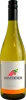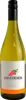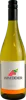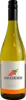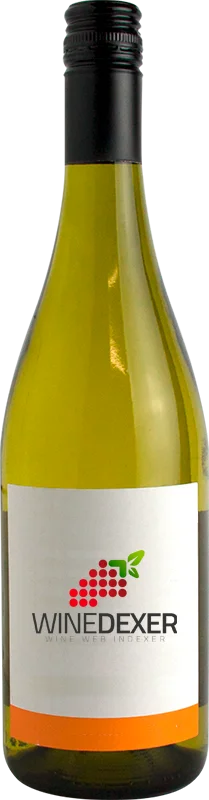
Winery HayashiRyugan
 White wine


This wine generally goes well with
The Ryugan of the Winery Hayashi is in the top 60 of wines of Nagano-ken.
Wine flavors and olphactive analysis

On the nose the Ryugan of Winery Hayashi in the region of Nagano-ken often reveals types of flavors of tree fruit.
Details and technical informations about Winery Hayashi's Ryugan.
Discover the grape variety: Kernling
Natural mutation of the kerner found in Germany in 1974 by Herrn Ludwig Hochdörffer and put in culture in 1995. Kernling can be found in Germany, Switzerland, England, ... in France it is almost unknown.
Last vintages of this wine

The best vintages of Ryugan from Winery Hayashi are 2016, 2018, 2015, 2017 and 0.
Informations about the Winery Hayashi
The Winery Hayashi is one of of the world's greatest estates. It offers 46 wines for sale in the of Nagano-ken to come and discover on site or to buy online.

The wine region of Nagano-ken
Junmai (pure sake) literally translates to "pure rice". It is a high-quality class of sake, a rice-based Alcoholic beverage that is an intricate Part of Japanese culture. In order to be classified as Junmai sake, the beverage must be made with only rice, water, and koji, the mold that triggers Fermentation. Sake can be found in a variety of types and styles, each with its own Organoleptic properties.
The word of the wine: Cordon de Royat (size in)
Short trellised pruning with one or two horizontal arms stretched over a wire. Very suitable for mechanization, it offers a very good exposure of the bunches as well as an excellent aeration.