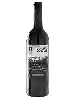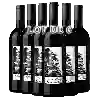
Château Hauts PascaudsBergerac
 Red wine
This wine generally goes well with pork, poultry or veal.

Food and wine pairings with Bergerac
Pairings that work perfectly with Bergerac



Original food and wine pairings with Bergerac


The Bergerac of Château Hauts Pascauds matches generally quite well with dishes of beef, lamb or poultry such as recipes of beef fashion, lamb tagine with prunes and dried fruits or home-made coq au vin.
Details and technical informations about Château Hauts Pascauds's Bergerac.
Discover the grape variety: Pinot noir
Elegant reds, light in colour with silky tannins, showing strawberry, cherry and raspberry aromas, evolving to forest floor, mushroom and spice with age. Fresh acidity, delicate finish. Star of the Côte d'Or (Romanée-Conti, Chambertin, Volnay), pillar of Champagne (Blanc de Noirs) and signature of Oregon, Central Otago and Sonoma Coast. An early-ripening Burgundian variety, one of the world's greatest.
Informations about the Château Hauts Pascauds
The Château Hauts Pascauds is one of of the world's greatest estates. It offers 2 wines for sale in the of Guyenne to come and discover on site or to buy online.

The wine region of Guyenne
Atlantic IGP of the Southwest across 5 departments (Gironde, Dordogne, Lot-et-Garonne, Landes, Pyrénées-Atlantiques). Bordeaux varieties as signatures. Merlot in red: supple and accessible with signature notes of plum, ripe cherry, light cocoa and a herbaceous touch, round tannins and fruity palate — affordable alternative to Bordeaux AOCs. Peppery Cabernet Franc, firm Cabernet Sauvignon, dense Côt.
The wine region of South West
French mosaic of strong identities south of Bordeaux. Cahors and its Malbec ("black wine"): deep reds with notes of blackberry, plum, violet, tobacco and cocoa, firm tannins. Madiran and its dense, age-worthy Tannat. Jurançon whites: golden sweet (apricot, honey, pineapple) and lively dry from Petit Manseng.
The word of the wine: Table wine
A category of wine with no geographical indication on the label, often resulting from blends between wines from different vineyards in France or the EU. These wines are now called "wines without geographical indication" (and "French wines" if they come from the national territory).