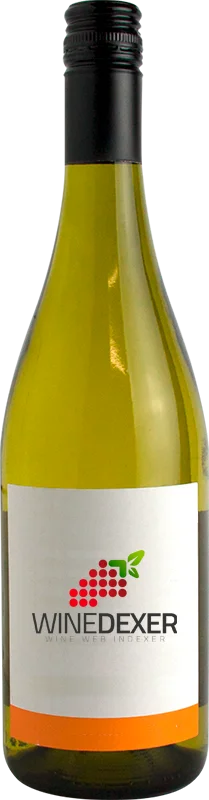
Château Hauts PascaudsCôtes de Bergerac Moelleux
 Sweet wine
This wine generally goes well with

Details and technical informations about Château Hauts Pascauds's Côtes de Bergerac Moelleux.
Discover the grape variety: Petite Sirah
Powerful, intensely coloured reds with an almost black inky hue, firm tannins and a dense palate, with concentrated aromas of black fruits (blackberry, blackcurrant, plum), black cherry, dark chocolate, black pepper, spices, leather and balsamic notes. Fine ageing potential. Confirmed star of great Californian (Napa, Sonoma, Paso Robles) and Australian reds. American synonym for French durif, a hybrid created in 1880 by François Durif (syrah × peloursin).
Informations about the Château Hauts Pascauds
The Château Hauts Pascauds is one of wineries to follow in Côtes de Bergerac.. It offers 2 wines for sale in the of Côtes de Bergerac to come and discover on site or to buy online.

The wine region of Côtes de Bergerac
Higher hierarchy of the Bergeracois in Périgord: structured complex reds — dominant Merlot blended with Cabernet Franc, Cabernet Sauvignon and Côt, deep robe, aromas of candied fruits and prune, sturdy tannins suitable for 5-10 years of aging. Sweet generous whites on Sémillon, Sauvignon and Muscadelle with notes of honey, candied fruits and apricot, round and fresh palate. Clay-limestone soils, more demanding identity than generic Bergerac.
The wine region of South West
French mosaic of strong identities south of Bordeaux. Cahors and its Malbec ("black wine"): deep reds with notes of blackberry, plum, violet, tobacco and cocoa, firm tannins. Madiran and its dense, age-worthy Tannat. Jurançon whites: golden sweet (apricot, honey, pineapple) and lively dry from Petit Manseng.
The word of the wine: Muscat blanc à petits grains
A white grape variety cultivated since antiquity on the shores of the Mediterranean, it is considered the noblest of the muscats. It is mainly used to make sweet wines, often from mutage. In France, it is the sole variety used in many natural sweet wines: muscat-de-frontignan, muscat-de-mireval, muscat-de-lunel, muscat-de-saint-jean-de-minervois, muscat-de-beaumes-de-venise, muscat-du-cap-corse. Combined with Muscat d'Alexandrie, it gives Muscat-de-Rivesaltes. It is also used to make sparkling white wines (clairette-de-die; moscato d'asti and asti spumante in Italy) and dry wines (alsace-muscat). Powerfully aromatic and complex, its wines evoke fresh grapes, roses, exotic fruits, citrus fruits and spices.