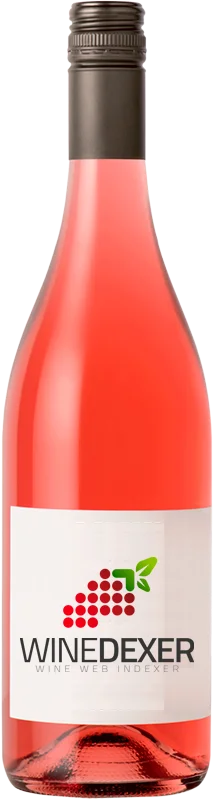
Winery Hahndorf HillRosé
 Pink wine


This wine generally goes well with
The Rosé of the Winery Hahndorf Hill is in the top 90 of wines of Adelaide Hills.

Wine flavors and olphactive analysis


On the nose the Rosé of Winery Hahndorf Hill in the region of Australie du Sud often reveals types of flavors of cream, strawberries or raspberry and sometimes also flavors of microbio, tree fruit or watermelon.
Details and technical informations about Winery Hahndorf Hill's Rosé.
Discover the grape variety: Maria Gomes
Aromatic, lively dry whites with a pale golden colour, a slender palate and preserved acidity, showing signature aromas of discreet muscat notes, white flowers (acacia), citrus (lemon) and white-fleshed fruits. Also used in fresh, fragrant sparkling wines (espumante). The pillar of Bairrada, where it is known by this name, contributing to Portuguese sparkling and dry whites. Synonym used in Bairrada for Fernão Pires, one of the most planted white varieties in Portugal.
Last vintages of this wine

The best vintages of Rosé from Winery Hahndorf Hill are 2018, 2019, 2015, 2017 and 2016.
Informations about the Winery Hahndorf Hill
The Winery Hahndorf Hill is one of of the world's greatest estates. It offers 13 wines for sale in the of Adelaide Hills to come and discover on site or to buy online.

The wine region of Adelaide Hills
South Australian showcase of fresh high-altitude whites: signature Sauvignon Blanc as white king (~30%) — lively and crisp with notes of grapefruit, passion fruit, cut grass and a mineral touch, taut acidity. Racy Chardonnay (citrus, peach, minerality), airy Pinot Noir (cherry, raspberry, undergrowth) and spicy Shiraz as complement. Renowned traditional-method sparklers. Hills east of Adelaide (Mount Lofty Ranges, 400-650 m), among the coolest in Australia.
The wine region of Australie du Sud
Cradle of the great Australian Shiraz: powerful, sun-drenched reds with notes of blackberry, candied plum, pepper, chocolate and eucalyptus, ample tannins and vibrant fruit (Barossa, McLaren Vale). Firm, minty Cabernet Sauvignon on Coonawarra (terra rossa). Dry, lemony Riesling from Clare and Eden Valley, straight and taut. Fresh Sauvignon and Chardonnay from Adelaide Hills.
The word of the wine: Cup (size in)
Specific to the Mediterranean vineyard, this short pruning which opens the stock in the shape of a corolla offers a good resistance to violent winds but does not allow any mechanization of the vine work.