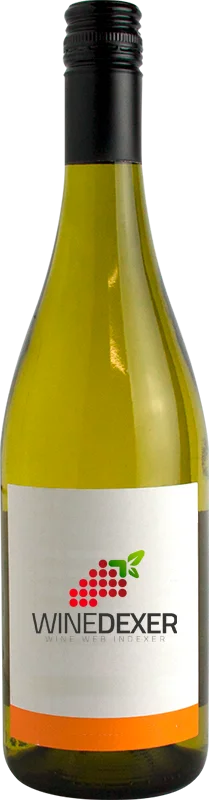
Winery GunzenhauserChardonnay Trocken
 White wine
This wine generally goes well with pork, vegetarian or poultry.

Food and wine pairings with Chardonnay Trocken
Pairings that work perfectly with Chardonnay Trocken



Original food and wine pairings with Chardonnay Trocken

The Chardonnay Trocken of Winery Gunzenhauser matches generally quite well with dishes of pork, rich fish (salmon, tuna etc) or vegetarian such as recipes of boeuf en daube, penne with smoked salmon and crème fraiche or vegan leek and tofu quiche.
Details and technical informations about Winery Gunzenhauser's Chardonnay Trocken.
Discover the grape variety: Chardonnay
Whites with many faces: mineral and taut at Chablis (lemon, green apple, flint), opulent and buttery at Meursault and Puligny-Montrachet (hazelnut, brioche, yellow fruits), tense and chalky in Champagne (Blanc de Blancs). Also vinified sparkling and widely exported (Sonoma, Margaret River, Casablanca). A Burgundian variety, a cross of Pinot Noir × Gouais Blanc, half-sibling of Aligoté.
Informations about the Winery Gunzenhauser
The Winery Gunzenhauser is one of of the world's greatest estates. It offers 6 wines for sale in the of Rheingau to come and discover on site or to buy online.

The wine region of Rheingau
Historic cradle of great German Riesling: age-worthy whites of rare precision, from taut dry (Trocken) to botrytised sweet (Auslese, Beerenauslese, TBA) with notes of peach, citrus, acacia honey, noble petrol and slatey minerality. Riesling king on ~80% of the vineyard. Also Spätburgunder (Pinot Noir, 8%), notably the fine, silky Assmannshausen. 3,100 ha on south-facing slopes overlooking the Rhine (Hesse).
The word of the wine: Concentrator
A device that removes water from grape must by reverse osmosis or entropy system. Its proponents say that it is better to remove water than to add sugar to produce more alcohol. The improperly used concentrator can also exaggerate bad tastes or greenness of tannins.