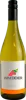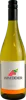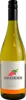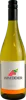
Winery Guillaume d'ArriaRivesaltes Ambré Doux Naturel
 Natural sweet wine



This wine generally goes well with

Wine flavors and olphactive analysis




On the nose the Rivesaltes Ambré Doux Naturel of Winery Guillaume d'Arria in the region of Languedoc-Roussillon often reveals types of flavors of microbio.
Details and technical informations about Winery Guillaume d'Arria's Rivesaltes Ambré Doux Naturel.
Discover the grape variety: Roussin
Light and fruity reds with a light ruby colour, melted tannins and a light palate, offering discreet signature aromas of red fruits (cherry, strawberry) and floral notes. A confidential heritage profile. Now almost extinct, preserved in a few INRAE ampelographic collections, it bears witness to the varietal diversity of the old French vineyard. Rare French black variety, once grown in the Loire Valley and Burgundy.
Last vintages of this wine
The best vintages of Rivesaltes Ambré Doux Naturel from Winery Guillaume d'Arria are 0
Informations about the Winery Guillaume d'Arria
The Winery Guillaume d'Arria is one of of the world's greatest estates. It offers 5 wines for sale in the of Rivesaltes to come and discover on site or to buy online.

The wine region of Rivesaltes
Great Roussillon appellation for Vins Doux Naturels, ~5,200 ha across Pyrénées-Orientales and Aude. Mutage with neutral spirit halts fermentation. 4 signature styles: Grenat on black Grenache with intense notes of candied cherry, kirsch and cocoa; oxidative Tuilé with prune, coffee, walnut and caramel; Ambré (white Grenache) with honey, candied orange, dried fruits; fruity Rosé strawberry. Exceptional ageing (10-50 years).
The wine region of Languedoc-Roussillon
Largest single French vineyard, dominated by sunny, generous reds. Spicy Syrah, candied Grenache (ripe fruit, garrigue), structured Carignan, deep Mourvèdre, supple Cinsault. Stars: structured Corbières, Minervois, Faugères, Saint-Chinian; round Côtes-du-Roussillon. Legendary vins doux naturels: Banyuls and Maury (fortified Grenache) with notes of cocoa, fig, prune.
The word of the wine: Mercaptan
Organic compound resulting from the combination of alcohol and sulphide (H2S) producing an unpleasant odour reminiscent of town gas and rotten eggs.