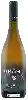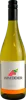
Winery GröhlChardonnay Dalheim Trocken
 White wine
In the mouth this white wine is a with a nice freshness.
This wine generally goes well with pork, vegetarian or poultry.

Taste structure of the Chardonnay Dalheim Trocken from the Winery Gröhl
Light | Bold | |
Dry | Sweet | |
Soft | Acidic |
In the mouth the Chardonnay Dalheim Trocken of Winery Gröhl in the region of Rheingau is a with a nice freshness.
Food and wine pairings with Chardonnay Dalheim Trocken
Pairings that work perfectly with Chardonnay Dalheim Trocken



Original food and wine pairings with Chardonnay Dalheim Trocken

The Chardonnay Dalheim Trocken of Winery Gröhl matches generally quite well with dishes of pork, rich fish (salmon, tuna etc) or vegetarian such as recipes of chicken pie, sublime salmon (stuffed salmon) or quiche lorraine.
Details and technical informations about Winery Gröhl's Chardonnay Dalheim Trocken.
Discover the grape variety: Chardonnay
Whites with many faces: mineral and taut at Chablis (lemon, green apple, flint), opulent and buttery at Meursault and Puligny-Montrachet (hazelnut, brioche, yellow fruits), tense and chalky in Champagne (Blanc de Blancs). Also vinified sparkling and widely exported (Sonoma, Margaret River, Casablanca). A Burgundian variety, a cross of Pinot Noir × Gouais Blanc, half-sibling of Aligoté.
Informations about the Winery Gröhl
The Winery Gröhl is one of of the world's great estates. It offers 86 wines for sale in the of Rheingau to come and discover on site or to buy online.

The wine region of Rheingau
Historic cradle of great German Riesling: age-worthy whites of rare precision, from taut dry (Trocken) to botrytised sweet (Auslese, Beerenauslese, TBA) with notes of peach, citrus, acacia honey, noble petrol and slatey minerality. Riesling king on ~80% of the vineyard. Also Spätburgunder (Pinot Noir, 8%), notably the fine, silky Assmannshausen. 3,100 ha on south-facing slopes overlooking the Rhine (Hesse).
The word of the wine: Old vines
There are no specific regulations governing the term "vieilles vignes". After 20 to 25 years, the yields stabilize and tend to decrease, the vines are deeply rooted, and the grapes that come from them give richer, more concentrated, more sappy wines, expressing with more nuance the characteristics of their terroir. It is possible to find plots of vines that claim to be a century old.