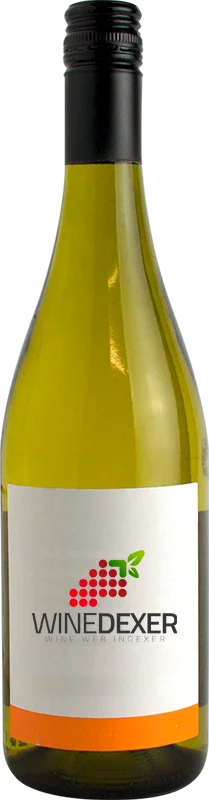
Winery Гремисеули (Gremiseuli)Цинандали (Tsinandali)
 White wine


This wine generally goes well with

Details and technical informations about Winery Гремисеули (Gremiseuli)'s Цинандали (Tsinandali).
Discover the grape variety: Pinot gris
Rich, ample whites with a golden robe, showing aromas of pear, quince, honey, smoke, ginger and spice. Made as structured dry wines (Alsace AOC), off-dry and sumptuous late-harvest sweet (vendange tardive, sélection de grains nobles). Lighter and crisper in Italy as Pinot Grigio (Veneto, Friuli). Also in Germany (Grauburgunder), Hungary (Szürkebarát) and Oregon. A grey mutation of Pinot Noir.
Last vintages of this wine
The best vintages of Цинандали (Tsinandali) from Winery Гремисеули (Gremiseuli) are 2015, 0
Informations about the Winery Гремисеули (Gremiseuli)
The Winery Гремисеули (Gremiseuli) is one of of the world's great estates. It offers 11 wines for sale in the of Tsinandali to come and discover on site or to buy online.

The wine region of Tsinandali
Flagship appellation of Georgian dry whites in Kakheti, Alazani valley between Greater Caucasus and Gombori, symbol of refinement since the Chavchavadze estate in the 19th c. Signature strict blend: Rkatsiteli (85% min, structure and acidity) and Mtsvane Kakhuri (15% max, floral). Chiseled whites with notes of citrus, white apple, peach, white flowers, sweet almond and mineral touch, fresh and balanced palate — short oak ageing. Greenish straw robe.
The wine region of Kakheti
Cradle of amber and orange wines, vinified in qvevri (buried clay jars, UNESCO). Skin-macerated Rkatsiteli whites: signature notes of dried apricot, walnut, honey, orange peel and black tea, fine tannins and controlled oxidation. Deep, tinctorial Saperavi reds with black fruit, plum, spice and firm tannins, age-worthy. Also Mtsvane and Kisi in white, fresh and floral.
The word of the wine: Provignage
A vine reproduction technique that consists of burying a vine shoot that takes root and reproduces a plant with the same characteristics as the vine to which it is attached.