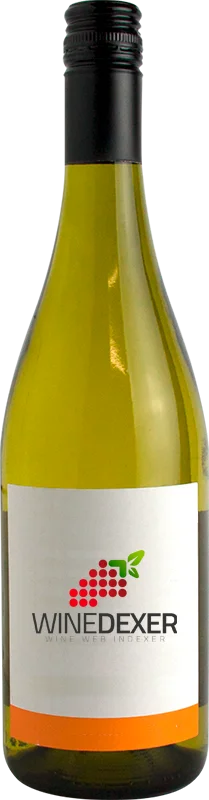
Winery Great WallChateau Sungod Reserve Riesling
 White wine


This wine generally goes well with pork, vegetarian or poultry.

Wine flavors and olphactive analysis

Food and wine pairings with Chateau Sungod Reserve Riesling
Pairings that work perfectly with Chateau Sungod Reserve Riesling



Original food and wine pairings with Chateau Sungod Reserve Riesling



The Chateau Sungod Reserve Riesling of Winery Great Wall matches generally quite well with dishes of pork, rich fish (salmon, tuna etc) or spicy food such as recipes of wild boar bourguignon, pasta salmon - fresh cream or lamb kebab.
Details and technical informations about Winery Great Wall's Chateau Sungod Reserve Riesling.
Discover the grape variety: Riesling
Crystalline, taut whites with vibrant acidity and aromas of citrus, green apple, white flowers, vineyard peach and mineral/petrol notes with age. Made as dry (Trocken, Alsace), off-dry (Kabinett, Spätlese) and sweet (Auslese, Beerenauslese, Trockenbeerenauslese, late harvest). Star of the Moselle, Rheingau, Alsace AOC and Wachau. Also exported to Clare Valley and Finger Lakes.
Last vintages of this wine
The best vintages of Chateau Sungod Reserve Riesling from Winery Great Wall are 0, 2011
Informations about the Winery Great Wall
The Winery Great Wall is one of of the world's great estates. It offers 63 wines for sale in the of Hebei to come and discover on site or to buy online.

The wine region of Hebei
China's 3rd largest wine region (~13,000 ha) in the north-east, with sub-zones Huailai (near Beijing) and Changli (coastal, birthplace of China's first dry red). Harsh continental climate, vines buried in winter. Cabernet Sauvignon is king in reds: structured and deep with notes of blackcurrant, blackberry, cedar, tobacco and a spicy touch, firm tannins. Franco-Chinese Marselan (blackcurrant, cherry, violet), spicy Cabernet Gernischt and supple Merlot.
The word of the wine: Disgorging (champagne)
This is the evacuation of the deposit formed by the yeasts during the second fermentation in the bottle, by opening the bottle. The missing volume is completed with the liqueur de dosage - a mixture of wine and cane sugar - before the final cork is placed. For some years now, some producers have been replacing this sugar with rectified concentrated musts (concentrated grape juice) which give excellent results. A too recent dosage (less than three months) harms the gustatory harmony of the champagne.