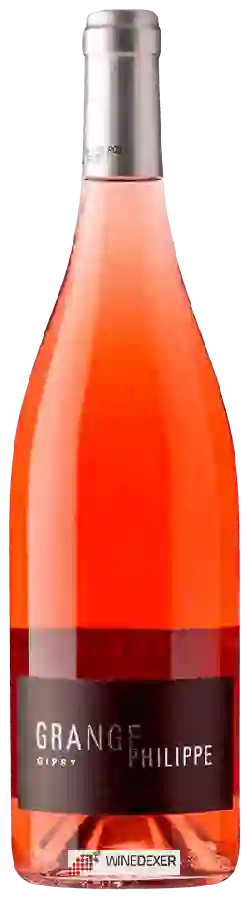
Winery Grange PhilippeGipsy Rosé
 Pink wine


In the mouth this pink wine is a with a nice freshness.
This wine generally goes well with vegetarian, appetizers and snacks or lean fish.

Taste structure of the Gipsy Rosé from the Winery Grange Philippe
Light | Bold | |
Dry | Sweet | |
Soft | Acidic |
In the mouth the Gipsy Rosé of Winery Grange Philippe in the region of Pays d'Oc is a with a nice freshness.
Food and wine pairings with Gipsy Rosé
Pairings that work perfectly with Gipsy Rosé



Original food and wine pairings with Gipsy Rosé


The Gipsy Rosé of Winery Grange Philippe matches generally quite well with dishes of pasta, vegetarian or appetizers and snacks such as recipes of pasta with tuna and tomato sauce, ham and comté quiche or smoked salmon and lemon cake.
Details and technical informations about Winery Grange Philippe's Gipsy Rosé.
Discover the grape variety: Noir Fleurien
Light, fruity reds with a clear ruby robe, silky tannins and a supple palate, with unassuming aromas of red fruits (cherry, raspberry) and fresh floral notes. Airy profile to drink young. Preserved in INRAE varietal collections, it reflects the pre-phylloxera ampelographic diversity of central France and is among the heritage varieties under study. Rare, near-extinct native French black grape, once grown in central France.
Last vintages of this wine

The best vintages of Gipsy Rosé from Winery Grange Philippe are 2015, 2016, 2011, 2014 and 2013.
Informations about the Winery Grange Philippe
The Winery Grange Philippe is one of of the world's greatest estates. It offers 12 wines for sale in the of Pays d'Oc to come and discover on site or to buy online.

The wine region of Pays d'Oc
The single-grape IGP par excellence: modern, accessible, frank and fruity wines, the popular signature of the Midi. Spicy Syrah reds (pepper, blackberry), round Merlot, structured Cabernet, generous Grenache, supple Cinsault. Crisp, tangy rosés. Opulent Chardonnay whites, lively Sauvignon, floral, apricoty Viognier.
The word of the wine: Roundup
Woody part of the grape bunch to which the berries are attached.


