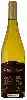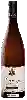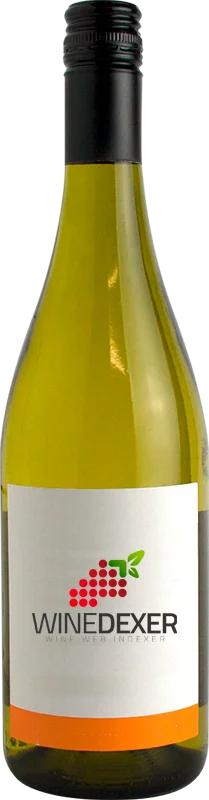
Winery Grandes PerrièresSauvignon Blanc Le Silex
 White wine


This wine generally goes well with vegetarian, rich fish (salmon, tuna etc) or shellfish.

Wine flavors and olphactive analysis



On the nose the Sauvignon Blanc Le Silex of Winery Grandes Perrières in the region of Loire Valley often reveals types of flavors of pineapple, citrus or butter and sometimes also flavors of apricot, pear or microbio.
Food and wine pairings with Sauvignon Blanc Le Silex
Pairings that work perfectly with Sauvignon Blanc Le Silex



Original food and wine pairings with Sauvignon Blanc Le Silex
The Sauvignon Blanc Le Silex of Winery Grandes Perrières matches generally quite well with dishes of rich fish (salmon, tuna etc), shellfish or vegetarian such as recipes of parillade of fish and seafood, chicken chop suey or zucchini quiche.
Details and technical informations about Winery Grandes Perrières's Sauvignon Blanc Le Silex.
Discover the grape variety: Mourisco
Light, fruity reds with a clear ruby hue, smooth tannins and an airy palate; signature aromas of red fruits (cherry, raspberry), gentle spices and floral notes. Airy style, adding freshness to blends. A traditional component of Douro DOC and Port blends, bringing freshness and aromas to great fortified wines. Native Portuguese black grape from the Douro, cultivated in decreasing quantities but preserved.
Last vintages of this wine

The best vintages of Sauvignon Blanc Le Silex from Winery Grandes Perrières are 2018, 2019
Informations about the Winery Grandes Perrières
The Winery Grandes Perrières is one of of the world's greatest estates. It offers 7 wines for sale in the of Loire Valley to come and discover on site or to buy online.

The wine region of Loire Valley
Kingdom of lively, dry whites and fine sparklers. Mineral, taut Sauvignon Blanc (Sancerre, Pouilly-Fumé) with citrus and gunflint notes. Multiform Chenin Blanc (Vouvray, Savennières, Layon): straight dry, floral off-dry or noble sweet honey-quince. Saline, iodised Muscadet (Melon B.
The word of the wine: Phenolic ripeness
A distinction is made between the ripeness of sugars and acids and the ripeness of tannins and other compounds such as anthocyanins and tannins, which will bring structure and colour. Grapes can be measured at 13° potential without having reached this phenolic maturity. Vinified at this stage, they will give hard, astringent wines, without charm.