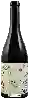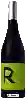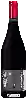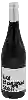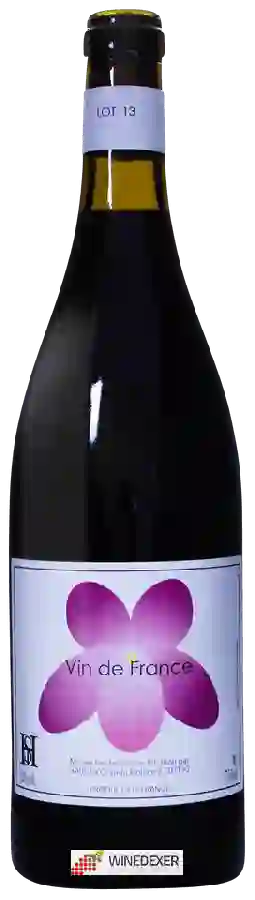
Winery La Grande CollineRogue
 Red wine



This wine generally goes well with beef, lamb or mature and hard cheese.

Wine flavors and olphactive analysis






On the nose the Rogue of Winery La Grande Colline in the region of Vin de France often reveals types of flavors of cherry, earthy or plum and sometimes also flavors of nutty, non oak or earth.
Food and wine pairings with Rogue
Pairings that work perfectly with Rogue



Original food and wine pairings with Rogue

The Rogue of Winery La Grande Colline matches generally quite well with dishes of beef, lamb or spicy food such as recipes of fresh sausage, leg of lamb in a casserole or chicken breast with curry and mushrooms.
Details and technical informations about Winery La Grande Colline's Rogue.
Discover the grape variety: Bastardo
Supple, fruity reds with a clear ruby robe, silky tannins and a fresh, airy palate, with signature aromas of red fruits (cherry, raspberry), gentle spices and floral notes. Adds freshness and delicacy to blends. Traditionally used in Port, Madeira and Dão reds. Portuguese synonym for the Jura's Trousseau according to DNA analysis; indigenous black variety of the Douro and Dão.
Last vintages of this wine
The best vintages of Rogue from Winery La Grande Colline are 2015, 2013
Informations about the Winery La Grande Colline
The Winery La Grande Colline is one of of the world's greatest estates. It offers 18 wines for sale in the of Vin de France to come and discover on site or to buy online.

The wine region of Vin de France
The freest category of French wine, the playground of winemakers working outside the AOC. All styles combined: fruity reds, lively or ambitious whites, everyday rosés, unusual blends, natural wines, atypical grapes (Petit Manseng in Languedoc, Riesling in Provence), experimental winemaking (skin-contact whites, no sulphur). Grape and vintage labelling allowed, no geographic constraint. From the pop, convivial cuvée to the artisan gem: freedom in a bottle.
The word of the wine: Bleeding
Old practice for red wines. As soon as the vat is filled with grapes, the tap is opened. A sweet but clear juice escapes from the vat (it can also be used to make rosé). The colour and density of the juice is enhanced, but it should not be overdone. Rarely more than 10% of the volume of a vat, otherwise you risk losing fruit and bringing in bitterness.