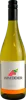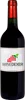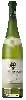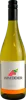
Winery Gran CastilloSauvignon Blanc
 White wine



In the mouth this white wine is a with a nice freshness.
This wine generally goes well with vegetarian, shellfish or goat cheese.

Taste structure of the Sauvignon Blanc from the Winery Gran Castillo
Light | Bold | |
Dry | Sweet | |
Soft | Acidic |
In the mouth the Sauvignon Blanc of Winery Gran Castillo in the region of Valence is a with a nice freshness.
Food and wine pairings with Sauvignon Blanc
Pairings that work perfectly with Sauvignon Blanc



Original food and wine pairings with Sauvignon Blanc
The Sauvignon Blanc of Winery Gran Castillo matches generally quite well with dishes of shellfish, vegetarian or goat cheese such as recipes of pasta with vongoles (flat clams), magic cake cheese quiche or baskets of goat cheese with honey and nuts.
Details and technical informations about Winery Gran Castillo's Sauvignon Blanc.
Discover the grape variety: Grenache Gris
Structured and rich whites and rosés with a pale salmon or golden robe, full mouthfeel and moderate acidity, with aromas of yellow fruits (pear, peach), candied citrus, white flowers, fennel, garrigue and schist mineral notes. Good ageing potential. Star of the great identity whites of Roussillon (Côtes du Roussillon AOC, Collioure AOC) on schist soils. A grey-skinned mutation of the Aragonese Grenache Noir.
Last vintages of this wine
The best vintages of Sauvignon Blanc from Winery Gran Castillo are 0, 2018
Informations about the Winery Gran Castillo
The Winery Gran Castillo is one of of the world's great estates. It offers 40 wines for sale in the of Valence to come and discover on site or to buy online.

The wine region of Valence
Sunny Mediterranean Levant, sun-drenched accessible wines. Monastrell (Mourvèdre) star red in Alicante: fleshy and deep with black fruits, garrigue, leather and spice, firm tannins. Round, fruity Bobal from Utiel-Requena, supple Garnacha, juicy Tempranillo. Fresh whites: light Merseguera, aromatic Moscatel (fresh grape, flowers).
The word of the wine: White winemaking
White wines are obtained by fermentation of the juice after pressing. A pre-fermentation maceration is sometimes practiced to extract the aromatic substances from the skins. White wines are normally made from white grapes, but can also be made from red grapes (blanc de noirs). The grapes are then pressed as soon as they arrive at the vat house without maceration in order to prevent the colouring matter contained in the skins from "staining" the wine.