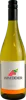
Winery Gosch FischFinkenauer Sauvignon Blanc Trocken
 White wine



In the mouth this white wine is a with a nice freshness.
This wine generally goes well with vegetarian, shellfish or goat cheese.

Taste structure of the Finkenauer Sauvignon Blanc Trocken from the Winery Gosch Fisch
Light | Bold | |
Dry | Sweet | |
Soft | Acidic |
In the mouth the Finkenauer Sauvignon Blanc Trocken of Winery Gosch Fisch in the region of Rheinhessen is a with a nice freshness.
Food and wine pairings with Finkenauer Sauvignon Blanc Trocken
Pairings that work perfectly with Finkenauer Sauvignon Blanc Trocken


Original food and wine pairings with Finkenauer Sauvignon Blanc Trocken
The Finkenauer Sauvignon Blanc Trocken of Winery Gosch Fisch matches generally quite well with dishes of shellfish, vegetarian or goat cheese such as recipes of scallop mousse, quiche without pastry, courgette and blue cheese or eggplant and pepper tatin with fresh goat cheese.
Details and technical informations about Winery Gosch Fisch's Finkenauer Sauvignon Blanc Trocken.
Discover the grape variety: Foch
Colourful and simply fruity reds with a deep purple hue, silky tannins and an airy palate with preserved acidity, featuring aromas of black fruits (blackcurrant, blackberry), spices and smoky notes. Cold- and mildew-resistant. Grown mainly in Canada (Quebec, Nova Scotia, Ontario) and the north-eastern United States for vineyards with a rigorous continental climate. Black hybrid grape (synonym Maréchal Foch), obtained in 1911 by Eugène Kuhlmann in Alsace.
Last vintages of this wine
The best vintages of Finkenauer Sauvignon Blanc Trocken from Winery Gosch Fisch are 0
Informations about the Winery Gosch Fisch
The Winery Gosch Fisch is one of of the world's greatest estates. It offers 20 wines for sale in the of Rheinhessen to come and discover on site or to buy online.

The wine region of Rheinhessen
71% white region: Riesling is king (5,000 ha), dry to off-dry, ripe yellow fruit, apple, citrus and fine saline minerality. Supple, floral Müller-Thurgau for everyday, the world's largest Silvaner plantation with herbaceous, straight notes. Historic cradle of off-sweet Liebfraumilch. Some supple reds (Dornfelder, Spätburgunder).
The word of the wine: MA
Auxiliary brand or buyer's brand (supermarket for example) gathering champagnes of various origins. It offers no guarantee of quality or traceability.