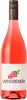
Winery Quinta de GomarizEspadeiro
 Pink wine



This wine generally goes well with
Wine flavors and olphactive analysis



On the nose the Espadeiro of Winery Quinta de Gomariz in the region of Minho often reveals types of flavors of tree fruit, citrus fruit or red fruit.
Details and technical informations about Winery Quinta de Gomariz's Espadeiro.
Discover the grape variety: Helfensteiner
Intraspecific crossing obtained in Germany in 1931 by August Karl Herold (1902-1973) between early pinot noir and frankenthal. This variety can still be found in Germany, the United Kingdom, etc. In France, it is practically unknown.
Last vintages of this wine
The best vintages of Espadeiro from Winery Quinta de Gomariz are 2017, 2013, 2016, 2015 and 2019.
Informations about the Winery Quinta de Gomariz
The Winery Quinta de Gomariz is one of of the world's greatest estates. It offers 13 wines for sale in the of Vinho Verde to come and discover on site or to buy online.

The wine region of Vinho Verde
The wine region of Vinho Verde is located in the region of Minho of Portugal. We currently count 535 estates and châteaux in the of Vinho Verde, producing 1615 different wines in conventional, organic and biodynamic agriculture. The wines of Vinho Verde go well with generally quite well with dishes .
The wine region of Minho
Minho is Portugal's Northernmost wine region. It is known for one wine style above all others: crisp, light, white Vinho Verde, whose DOC zone covers the same territory. The Minho name is used for the area's Vinho Regional designation (similar to the French IGP). The latter's looser production laws allow more diversity in the average winery's portfolio, including red and rosé wines.
The word of the wine: Salmanazar
Bottle with a capacity of 9 litres.