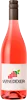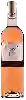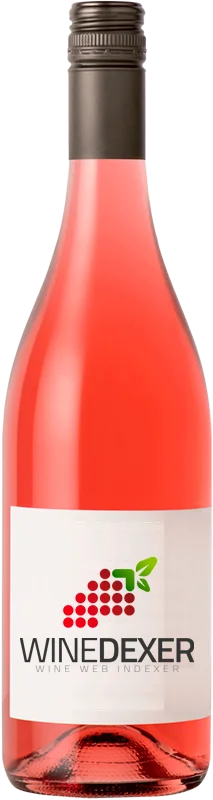
Winery GirottiPremières Côtes de Bordeaux Rosé
 Pink wine



This wine generally goes well with
Details and technical informations about Winery Girotti's Premières Côtes de Bordeaux Rosé.
Discover the grape variety: Khikhvi
A very old variety grown most often in Kakhetia (Georgia). It can also be found in Moldavia, Ukraine, Dagestan, Central Asia... almost unknown in France.
Last vintages of this wine
The best vintages of Premières Côtes de Bordeaux Rosé from Winery Girotti are 0
Informations about the Winery Girotti
The Winery Girotti is one of of the world's greatest estates. It offers 10 wines for sale in the of Premières Côtes de Bordeaux to come and discover on site or to buy online.

The wine region of Premières Côtes de Bordeaux
The wine region of Premières Côtes de Bordeaux is located in the region of Côtes de Bordeaux of Bordeaux of France. Wineries and vineyards like the Château Lafitte or the Château Peyruchet produce mainly wines red, white and sweet. The most planted grape varieties in the region of Premières Côtes de Bordeaux are Cabernet-Sauvignon, Merlot and Cabernet franc, they are then used in wines in blends or as a single variety. On the nose of Premières Côtes de Bordeaux often reveals types of flavors of leather, melon or dried fruit and sometimes also flavors of peach, minerality or apricot.
The wine region of Bordeaux
Bordeaux, in southwestern France, is one of the most famous, prestigious and prolific wine regions in the world. The majority of Bordeaux wines (nearly 90% of the production Volume) are the Dry, medium and Full-bodied red Bordeaux blends for which it is famous. The finest (and most expensive) are the wines of the great châteaux of Haut-Médoc and the right bank appellations of Saint-Émilion and Pomerol. The former focuses (at the highest level) on Cabernet Sauvignon, the latter on Merlot.
The word of the wine: Vintage (champagne)
It is a champagne made from a single harvest. In principle, we only vintage the great years: 1988, 1990, 1995, 1996... We find more often, now, the very good 2002, and the 2004, a little short.