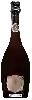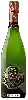
Winery Giró RibotUMa Gran Reserva Brut
 Sparkling wine
This wine generally goes well with appetizers and snacks, lean fish or shellfish.

Food and wine pairings with UMa Gran Reserva Brut
Pairings that work perfectly with UMa Gran Reserva Brut



Original food and wine pairings with UMa Gran Reserva Brut


The UMa Gran Reserva Brut of Winery Giró Ribot matches generally quite well with dishes of shellfish, appetizers and snacks or lean fish such as recipes of zarzuela mayonapo, stuffed sea almonds with cream cheese or back of cod with courgette tagliatelle.
Details and technical informations about Winery Giró Ribot's UMa Gran Reserva Brut.
Discover the grape variety: Garganega
Structured, aromatic whites with a round palate and fresh acidity, with aromas of fresh almond, white flowers, yellow apple, pear, citrus and volcanic mineral notes. Typical bitter almond finish. Made as noble dry whites (Soave Classico DOC, Soave Superiore DOCG) and sumptuous passito dessert wines (Recioto di Soave DOCG). Also in Gambellara DOC. Native Venetian variety from the volcanic hills south-east of Verona.
Last vintages of this wine



The best vintages of UMa Gran Reserva Brut from Winery Giró Ribot are 2014, 0, 2015
Informations about the Winery Giró Ribot
The Winery Giró Ribot is one of of the world's greatest estates. It offers 26 wines for sale in the of Cava to come and discover on site or to buy online.

The wine region of Cava
Spain's star traditional-method sparkler, the Iberian equivalent of Champagne. Three Catalan grapes blended: Macabeo (apple, freshness), Xarel-lo (body and herbaceous notes), Parellada (elegance and floral finesse). Chardonnay and Pinot Noir also allowed. From fruit-driven Brut to Gran Reserva (30 months on lees) with brioche and toasted notes.
The word of the wine: Decommissioning
Removal of the right to the appellation of origin of a wine; it is then marketed as Vin de France.