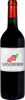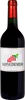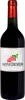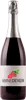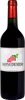
Winery GillardiGrane Rosso
 Red wine


In the mouth this red wine is a powerful.
This wine generally goes well with beef, game (deer, venison) or lamb.
Taste structure of the Grane Rosso from the Winery Gillardi
Light | Bold | |
Smooth | Tannic | |
Dry | Sweet | |
Soft | Acidic |
In the mouth the Grane Rosso of Winery Gillardi in the region of Vino da Tavola is a powerful.
Food and wine pairings with Grane Rosso
Pairings that work perfectly with Grane Rosso



Original food and wine pairings with Grane Rosso

The Grane Rosso of Winery Gillardi matches generally quite well with dishes of beef, pasta or lamb such as recipes of improved horse steak, mascarpone pasta with tomato sauce or lamb mice confit and melting carrots.
Details and technical informations about Winery Gillardi's Grane Rosso.
Discover the grape variety: Tardif
This is a very old grape variety in southwestern France, with "traces" found in the high Pyrenees, but also in the Atlantic Pyrenees and in the Gers. Virtually unknown in other French wine-producing regions, as well as abroad, it is registered in the Official Catalogue of Wine Grape Varieties, list A1. Tardif is certainly the ideal grape variety to combine with Tannat, especially when the latter is in the majority. The overall quality of its polyphenols is such as to compensate for the often harsh tannins of Tannat in young wines.
Last vintages of this wine

The best vintages of Grane Rosso from Winery Gillardi are 0, 2011
Informations about the Winery Gillardi
The Winery Gillardi is one of of the world's greatest estates. It offers 16 wines for sale in the of Vino da Tavola to come and discover on site or to buy online.

The wine region of Vino da Tavola
Vino da Tavola was the most basic classification of Italian wines. It is now renamed simply "Vino" and appears on labels as Vino d'Italia. The original name literally means "table wine" as opposed to premium wines from specific geographical locations (see EU wine label). In May 2011, the first legal steps were taken to abolish the Vino da Tavola category, in favor of a New classification of wines called simply Vino.
The word of the wine: Thermoregulation
Control of the vinification temperatures (by circulating hot or cold water on the walls of the vats, for example). This is a major step forward, which in particular helps to preserve the freshness of the aromas threatened by excessive temperature rises during fermentation.