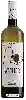
Winery Georgas FamilyRetsina
 wine
wine
This wine generally goes well with
The Retsina of the Winery Georgas Family is in the top 0 of wines of Attiki.

Details and technical informations about Winery Georgas Family's Retsina.
Discover the grape variety: Orion
Fresh, aromatic dry whites with a pale golden colour, a supple palate and preserved acidity, showing aromas of white flowers (acacia, elderflower), white fruits (apple, pear), citrus and herbal notes. A modern style to drink young. A disease-resistant interspecific variety, the engine of organic northern viticulture in Germany, Switzerland, Belgium and the Netherlands. German white hybrid created in 1964 at Geilweilerhof for sustainable viticulture.
Informations about the Winery Georgas Family
The Winery Georgas Family is one of of the world's great estates. It offers 11 wines for sale in the of Attiki to come and discover on site or to buy online.

The wine region of Attiki
IGP of the Athens region, one of the oldest wine zones in the world, dry Mediterranean climate on limestone and schist. Savatiano signature historic king grape (2,500 years, base of Retsina flavored with Aleppo pine resin): today rehabilitated in dry whites with green apple, citrus, white flowers, fennel and mineral touch, tense palate. Also aromatic Malagouzia (peach, citrus), tense saline Assyrtiko. Supple Agiorgitiko red.
The wine region of Continental Greece
Vast region of central Greece (Attica, Boeotia, Euboea, Phocis. ), ~1/3 of national output.
The word of the wine: Lies
A deposit formed by dead yeast after fermentation. Some white wines are aged on their lees, which makes their aromas and structure more complex and richer.