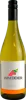
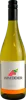
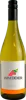
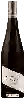
Winery Georg Müller StiftungHattenheimer Nussbrunnen Riesling
 White wine


In the mouth this white wine is a with a nice freshness.
This wine generally goes well with pork, poultry or shellfish.
Taste structure of the Hattenheimer Nussbrunnen Riesling from the Winery Georg Müller Stiftung
Light | Bold | |
Dry | Sweet | |
Soft | Acidic |
In the mouth the Hattenheimer Nussbrunnen Riesling of Winery Georg Müller Stiftung in the region of Rheingau is a with a nice freshness.
Food and wine pairings with Hattenheimer Nussbrunnen Riesling
Pairings that work perfectly with Hattenheimer Nussbrunnen Riesling



Original food and wine pairings with Hattenheimer Nussbrunnen Riesling


The Hattenheimer Nussbrunnen Riesling of Winery Georg Müller Stiftung matches generally quite well with dishes of pork, shellfish or spicy food such as recipes of cajun jumbalaya rice, quinoa with shrimp or coconut chicken.
Details and technical informations about Winery Georg Müller Stiftung's Hattenheimer Nussbrunnen Riesling.
Discover the grape variety: Aglianico
A very old grape variety grown in Italy, some believe it to be of Greek origin. In France, it is practically unknown. It can be found in Australia, the United States (California), Argentina, etc. It should not be confused with Aglianicone, another grape variety grown in Italy, which is, however, very similar to Aglianico.
Last vintages of this wine
The best vintages of Hattenheimer Nussbrunnen Riesling from Winery Georg Müller Stiftung are 0
Informations about the Winery Georg Müller Stiftung
The Winery Georg Müller Stiftung is one of of the world's great estates. It offers 82 wines for sale in the of Rheingau to come and discover on site or to buy online.

The wine region of Rheingau
Rheingau is one of the most important of Germany's 13 Anbaugebiete wine regions. However it is far from the biggest; with 3,076 hectares (7,600 acres) of Vineyard">Vineyards documented in 2012, its output is around one tenth of that from the Pfalz and Rheinhessen regions. Located on the Rhine a 20-minute drive west of Frankfurt, the -gau suffix denotes that it was once a county of the Frankish Empire. The classic Rheingau wine is a DryRiesling with pronounced Acidity and aromas of citrus fruits and smoke-tinged minerality – typically more "masculine" than its equivalent from the Mosel.
The word of the wine: Rafle (taste of)
A taste considered a defect, characterized by an unpleasant astringency and bitterness, brought by the stalk during the vinification process. In order to avoid it, destemming before vinification is a common practice.