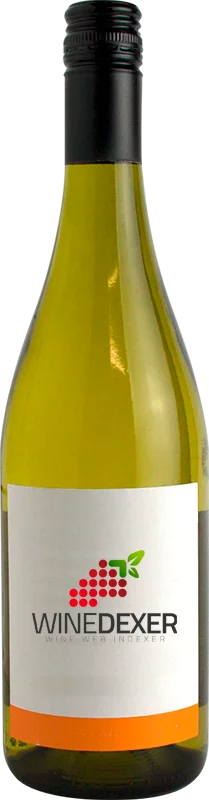
Winery Gebr. Kümin Weinbau und WeinhandelRüdlinger Federweisser
 White wine


This wine generally goes well with

Details and technical informations about Winery Gebr. Kümin Weinbau und Weinhandel's Rüdlinger Federweisser.
Discover the grape variety: Select
Simple, fresh dry whites with a pale golden robe, a supple palate with moderate acidity, and understated aromas of citrus and white flowers. Discreet, rustic profile. Preserved in a few ampelographic collections for its heritage value, this ancient variety has virtually disappeared from commercial cultivation and is studied for its genetic and historical interest.
Last vintages of this wine
The best vintages of Rüdlinger Federweisser from Winery Gebr. Kümin Weinbau und Weinhandel are 0
Informations about the Winery Gebr. Kümin Weinbau und Weinhandel
The Winery Gebr. Kümin Weinbau und Weinhandel is one of of the world's great estates. It offers 72 wines for sale in the of Schaffhausen to come and discover on site or to buy online.

The wine region of Schaffhausen
Wine canton of northern German-speaking Switzerland, nicknamed "Blauburgunderland". Signature Pinot Noir (Blauburgunder, 60-70%): fine, silky reds with signature notes of cherry, raspberry, undergrowth, sweet spices and a chalky mineral touch, delicate tannins and taut freshness — compared to fine village Burgundies. Klettgau is the flagship sub-region. Müller-Thurgau whites (local Riesling-Silvaner) lively and fruity (apple, citrus).
The word of the wine: Rimage
"Vintage", in Catalan. A natural sweet wine that is bottled early to preserve its fruitiness, as opposed to those aged in an oxidizing environment (see this word). Syn.: vintage (for maury, port).