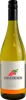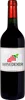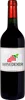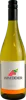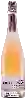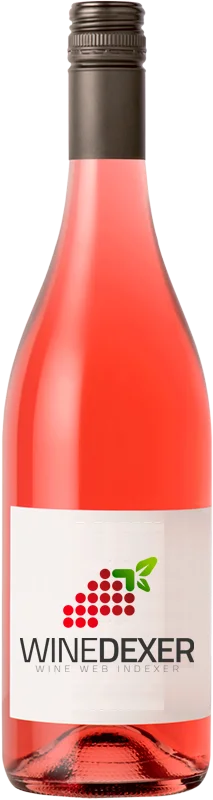
Winery Gaspereau VineyardsRosé
 Pink wine



This wine generally goes well with
The Rosé of the Winery Gaspereau Vineyards is in the top 90 of wines of Nova Scotia.
Details and technical informations about Winery Gaspereau Vineyards's Rosé.
Discover the grape variety: Calabre blanc
This is a very old grape variety, most certainly of Italian origin, not to be confused with other grape varieties with the name or synonym Calabria. Writings sometimes mention a white calabre resulting from an intraspecific crossing between bicane and muscat à petits grains blancs, although we are not sure that it is the same variety described here. You will note below that the leaf is very similar to that of the muscat à petits grains, to be continued. It can still be found in Italy, Hungary, Romania, Czech Republic, Germany, Ukraine, ... in France it is almost unknown.
Last vintages of this wine
The best vintages of Rosé from Winery Gaspereau Vineyards are 0
Informations about the Winery Gaspereau Vineyards
The Winery Gaspereau Vineyards is one of of the world's greatest estates. It offers 11 wines for sale in the of Nova Scotia to come and discover on site or to buy online.

The wine region of Nova Scotia
Nova Scotia is one of Canada’s maritime provinces, located halfway between the equator and the North Pole. While the region is not as famous for its wines as Ontario and British Columbia, there is a flourishing wine industry based largely on Sparkling wines and crisp white wines made from Grape varieties such as Vidal, Seyval Blanc, and the province's signature L'Arcadie Blanc variety. Nova Scotia is surrounded by three bodies of water, with the Atlantic Ocean to the South, the Bay of Fundy in the northwest and the Gulf of St Lawrence in the north. If it were an island it would be around the same area as Tasmania and almost the same relative latitude.
The word of the wine: Yeast
Micro-organisms at the base of all fermentative processes. A wide variety of yeasts live and thrive naturally in the vineyard, provided that treatments do not destroy them. Unfortunately, their replacement by laboratory-selected yeasts is often the order of the day and contributes to the standardization of the wine. Yeasts are indeed involved in the development of certain aromas.