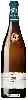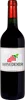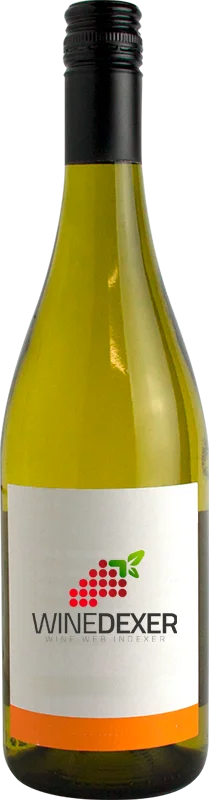
Winery Garamvári SzőlőbirtokMarika Nemes Kadarka Semi Sweet
 Sweet wine


This wine generally goes well with
Details and technical informations about Winery Garamvári Szőlőbirtok's Marika Nemes Kadarka Semi Sweet.
Discover the grape variety: Carmenère
Carménère is a grape variety of Bordeaux origin. It is the result of a cross between Cabernet Franc and Gros Cabernet. In France, it occupies only about ten hectares, but it is also grown in Chile, Peru, the Andes, California, Italy and Argentina. The leaves of the carmenere are shiny and revolute. Its berries are round and medium-sized. Carménère is susceptible to grey rot, especially in wet autumn. It can also be exposed to the risk of climatic coulure, which is why it is important to grow it on poor soil and in warm areas. Carménère is associated with an average second ripening period. This variety has only one approved clone, 1059. It can be vinified with Cabernet Sauvignon and Merlot. It produces a rich, highly coloured wine, which acquires character when combined with other grape varieties.
Last vintages of this wine
The best vintages of Marika Nemes Kadarka Semi Sweet from Winery Garamvári Szőlőbirtok are 2014, 0
Informations about the Winery Garamvári Szőlőbirtok
The Winery Garamvári Szőlőbirtok is one of of the world's great estates. It offers 73 wines for sale in the of Balaton to come and discover on site or to buy online.

The wine region of Balaton
Balatonboglar (South Balaton) is one of several wine regions on the shores of Lake Balaton, in the Transdanubia region of western Hungary. Lake Balaton is a Long, thin freshwater lake measuring almost 80 kilometers (50 miles) in Length, sometimes referred to as the 'Hungarian Sea. ' It is the largest lake in Central Europe and Hungary's most popular tourist destination. A wide portfolio of the popular, internationally recognized Grape varieties are grown here, including a number of the French classics.
The word of the wine: Bouquet
The tertiary aromas that develop during aging and characterize the wine at its peak. This term is improperly used to refer to the aromas of a wine in general.