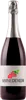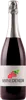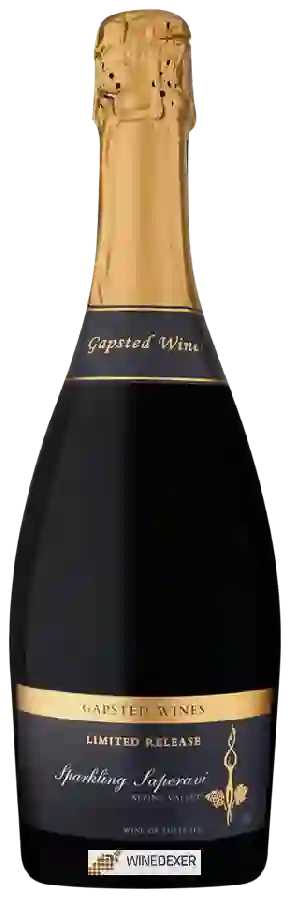
Winery GapstedLimited Release Sparkling Saperavi
 Sparkling wine


This wine generally goes well with

Details and technical informations about Winery Gapsted's Limited Release Sparkling Saperavi.
Discover the grape variety: Saperavi
Deeply coloured, powerful reds with inky robe (teinturier grape with red flesh) and tight tannins, with intense aromas of blackberry, blackcurrant, black plum, spices, leather and balsamic notes. High acidity and fine ageing potential. Often made by the ancestral qvevri method (buried clay jar), it signs the great Georgian reds of Kakheti (Mukuzani, Kvareli, Napareuli). Also in Russia, Ukraine and Australia. Ancient Georgian variety.
Last vintages of this wine
The best vintages of Limited Release Sparkling Saperavi from Winery Gapsted are 0
Informations about the Winery Gapsted
The Winery Gapsted is one of of the world's great estates. It offers 87 wines for sale in the of King Valley to come and discover on site or to buy online.

The wine region of King Valley
Australian high-altitude valley (155-860 m) in northeastern Victoria: signature Italian grapes unique in Australia - sparkling Prosecco as the national leader (Glera, fresh and fruity, pear, apple, flowers), elegant Sangiovese (cherry, plum, spices), dense Nebbiolo, lively Barbera and fresh Pinot Grigio. Shiraz and Cabernet in support. Racy Chardonnay. GI (2008), planted by the Italian diaspora from 1980, a cool continental altitude climate, alluvium of the King River.
The wine region of Victoria
Australian diversity from cool to temperate climate. Yarra Valley and Mornington: fine, silky Pinot Noir (cherry, raspberry, undergrowth), taut, mineral Chardonnay. Heathcote: structured Shiraz with black fruits, pepper and chocolate. Rutherglen, fortified capital: opulent sweet Topaque and Muscat (raisin, caramel, fig, roast notes).
The word of the wine: Sulphur
An antiseptic and antioxidant substance known since antiquity, probably already used by the Romans. But it was only in modern times that its use was rediscovered. It will allow a better conservation of the wine and thus favour its export. Sulphur also gave the 18th century winegrower the possibility of extending the maceration period without fearing that the wine would turn sour and thus go from dark rosé wines to the red wines of today. Excessive sulphur, on the other hand, kills happiness, paralysing the aromas and causing headaches.