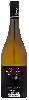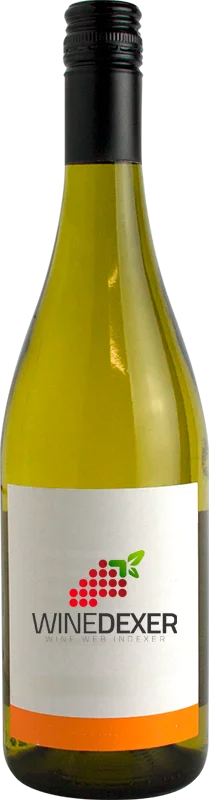
Domaine des GandinesChardonnay Viré Clessé
 White wine



This wine generally goes well with pork, vegetarian or poultry.

Wine flavors and olphactive analysis


On the nose the Chardonnay Viré Clessé of Domaine des Gandines in the region of Burgundy often reveals types of flavors of non oak, oak.
Food and wine pairings with Chardonnay Viré Clessé
Pairings that work perfectly with Chardonnay Viré Clessé



Original food and wine pairings with Chardonnay Viré Clessé

The Chardonnay Viré Clessé of Domaine des Gandines matches generally quite well with dishes of pork, rich fish (salmon, tuna etc) or vegetarian such as recipes of kig ha farz (breton stew), leek and tuna pie or quiche without pastry.
Details and technical informations about Domaine des Gandines's Chardonnay Viré Clessé.
Discover the grape variety: Chardonnay
Whites with many faces: mineral and taut at Chablis (lemon, green apple, flint), opulent and buttery at Meursault and Puligny-Montrachet (hazelnut, brioche, yellow fruits), tense and chalky in Champagne (Blanc de Blancs). Also vinified sparkling and widely exported (Sonoma, Margaret River, Casablanca). A Burgundian variety, a cross of Pinot Noir × Gouais Blanc, half-sibling of Aligoté.
Informations about the Domaine des Gandines
The Domaine des Gandines is one of of the world's greatest estates. It offers 18 wines for sale in the of Viré-Clessé to come and discover on site or to buy online.

The wine region of Viré-Clessé
First Village appellation of the Maconnais (recognised in 1998): Chardonnay as exclusive signature white king — pale gold robe with ashen glints and signature aromatic profile of white flowers (acacia, hawthorn, honeysuckle, broom), apricot, peach, pear, almond and a quince touch, ample and fruity palate, tender and powerful marked by the typical Maconnais minerality and the sweetness of ripe grapes. AOC, marl-limestone, semi-continental climate, signature ageing 5-6 years, sometimes longer.
The wine region of Burgundy
Absolute reference for great terroir wines: opulent, mineral Chardonnay in whites (chiselled Chablis, buttery Meursault, majestic Montrachet), fine and silky Pinot Noir in reds (full-bodied Gevrey, structured Pommard, delicate Volnay). Exceptional age-worthy wines with complex notes - red fruits, undergrowth, butter, hazelnut. Some lively Aligoté and light Gamay (Mâconnais). 29,500 ha, 84 tiered AOCs (Régionale, Village, 1er Cru, Grand Cru), 1,247 UNESCO Climats.
The word of the wine: Chaptalization
The addition of sugar at the time of fermentation of the must, an ancient practice, but theorized by Jean-Antoine Chaptal at the dawn of the 19th century. The sugar is transformed into alcohol and allows the natural degree of the wine to be raised in a weak or cold year, or - more questionably - when the winegrower has a harvest that is too large to obtain good maturity.