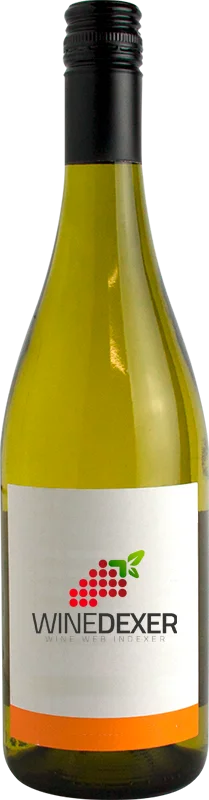
Maison GalhaudBordeaux Blanc
 White wine
In the mouth this white wine is a powerful.
This wine generally goes well with pork, vegetarian or poultry.

Taste structure of the Bordeaux Blanc from the Maison Galhaud
Light | Bold | |
Dry | Sweet | |
Soft | Acidic |
In the mouth the Bordeaux Blanc of Maison Galhaud in the region of Bordeaux is a powerful.
Food and wine pairings with Bordeaux Blanc
Pairings that work perfectly with Bordeaux Blanc



Original food and wine pairings with Bordeaux Blanc


The Bordeaux Blanc of Maison Galhaud matches generally quite well with dishes of pork, vegetarian or poultry such as recipes of pizza cone, goat cheese and bacon quiche or chicken chawarma.
Details and technical informations about Maison Galhaud's Bordeaux Blanc.
Discover the grape variety: Uva rara
Supple, fruity reds with a light ruby hue, smooth tannins and a fresh, light palate, showing aromas of cherry, red fruits (raspberry) and soft spices. Accessible north-west Italian profile. Traditionally blended with Croatina and Vespolina, it contributes to the typicity of the reds of Oltrepò Pavese and Novarese. Italian black grape grown in Lombardy and Piedmont.
Informations about the Maison Galhaud
The Maison Galhaud is one of of the world's great estates. It offers 51 wines for sale in the of Bordeaux to come and discover on site or to buy online.

The wine region of Bordeaux
World-renowned age-worthy reds, led by round Merlot (plum, black fruit) or firm Cabernet Sauvignon (blackcurrant, cedar, graphite), blended with Cabernet Franc and Petit Verdot for tannic structure. Structured Médoc and Graves, velvety Saint-Émilion and Pomerol. Also crisp dry whites (Sauvignon/Sémillon) and opulent sweet Sauternes with honey and candied fruit. A 110,000 ha Gironde vineyard, 65 appellations, cradle of the 1855 classified growths.
The word of the wine: Phylloxera
Aphid that came from America and ravaged European vineyards at the end of the 19th century. It lives on the roots of the vine, from which it pumps the sap. The only vines capable of resisting it had to be imported from the United States, and then grafted onto their root system the wood of traditional French grape varieties. Today, grafted vines are always planted.