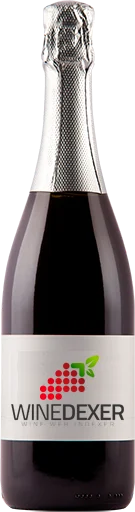
Winery GaetanoMoscato Dolce
 Sparkling wine


This wine generally goes well with sweet desserts
The Moscato Dolce of the Winery Gaetano is in the top 20 of wines of Piedmont.
Food and wine pairings with Moscato Dolce
Pairings that work perfectly with Moscato Dolce

Original food and wine pairings with Moscato Dolce
The Moscato Dolce of Winery Gaetano matches generally quite well with dishes of sweet desserts such as recipes of apple cake.
Details and technical informations about Winery Gaetano's Moscato Dolce.
Discover the grape variety: Helfensteiner
Intraspecific crossing obtained in Germany in 1931 by August Karl Herold (1902-1973) between early pinot noir and frankenthal. This variety can still be found in Germany, the United Kingdom, etc. In France, it is practically unknown.
Last vintages of this wine
The best vintages of Moscato Dolce from Winery Gaetano are 2019, 2018, 0
Informations about the Winery Gaetano
The Winery Gaetano is one of of the world's greatest estates. It offers 11 wines for sale in the of Piedmont to come and discover on site or to buy online.

The wine region of Piedmont
Piedmont (Piemonte) holds an unrivalled place among the world's finest wine regions. Located in northwestern Italy, it is home to more DOCG wines than any other Italian region, including such well-known and respected names as Barolo, Barbaresco and Barbera d'Asti. Though famous for its Austere, Tannic, Floral">floral reds made from Nebbiolo, Piedmont's biggest success story in the past decade has been Moscato d'Asti, a Sweet, Sparkling white wine. Piedmont Lies, as its name suggests, at the foot of the Western Alps, which encircle its northern and western sides and form its naturally formidable border with Provence, France.
The word of the wine: Fade
Wine lacking in sapidity, flat, soft and without character.