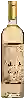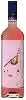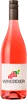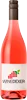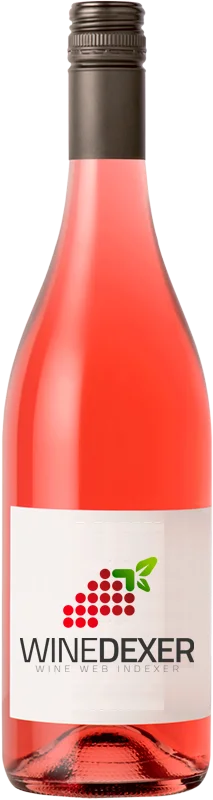
Winery GabriellaPinot Grigio Blush
 Pink wine



This wine generally goes well with poultry, veal or shellfish.
Food and wine pairings with Pinot Grigio Blush
Pairings that work perfectly with Pinot Grigio Blush



Original food and wine pairings with Pinot Grigio Blush
The Pinot Grigio Blush of Winery Gabriella matches generally quite well with dishes of veal, shellfish or poultry such as recipes of tunisian pasta, creamy risotto with scallops or pasta carbonara almost like the real thing.
Details and technical informations about Winery Gabriella's Pinot Grigio Blush.
Discover the grape variety: Perlon
A dual purpose grape variety (table and vat) obtained in Argentina by Angel Antonio Gargiulo by crossing the Emperor and the Perlette. It can also be found in Spain, Italy, Venezuela, etc. It should not be confused with perlona, which is a white grape variety of Italian origin. The crossing between the (ohanès x cardinal) and the Perlon (father) made it possible to obtain the big perlon, black table grape.
Last vintages of this wine
The best vintages of Pinot Grigio Blush from Winery Gabriella are 2015, 0
Informations about the Winery Gabriella
The Winery Gabriella is one of of the world's greatest estates. It offers 6 wines for sale in the of Veneto to come and discover on site or to buy online.

The wine region of Veneto
Veneto is an important and growing wine region in northeastern Italy. Veneto is administratively Part of the Triveneto area, aLong with its smaller neighbors, Trentino-Alto Adige and Friuli-Venezia Giulia. In terms of geography, culture and wine styles, it represents a transition from the Alpine and Germanic-Slavic end of Italy to the warmer, drier, more Roman lands to the South. Veneto is slightly smaller than the other major Italian wine regions - Piedmont, Tuscany, Lombardy, Puglia and Sicily - but it produces more wine than any of them.
The word of the wine: Sweet (flavor)
The flavour provided by the residual sugars naturally present in the wine as well as by certain alcohols. This sensation can range from a simple impression of smoothness to a clear sweetness. We speak of roundness, fatness and mellowness.