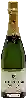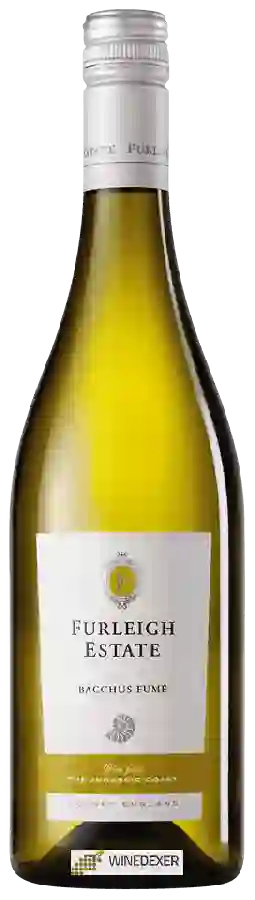
Furleigh EstateBacchus Fumé
 White wine


This wine generally goes well with

Wine flavors and olphactive analysis





On the nose the Bacchus Fumé of Furleigh Estate in the region of England often reveals types of flavors of non oak, microbio or vegetal and sometimes also flavors of oak, tree fruit or spices.
Details and technical informations about Furleigh Estate's Bacchus Fumé.
Discover the grape variety: Candin
Simple and fresh dry whites, pale golden colour, supple mouth with moderate acidity, with understated aromas of citrus and white flowers. Discreet rustic profile. Preserved in a few ampelographic collections as a heritage variety, studied for its genetic interest. Rare and poorly documented white grape grown in very small quantities.
Last vintages of this wine

The best vintages of Bacchus Fumé from Furleigh Estate are 2015, 2014, 0, 2013
Informations about the Furleigh Estate
The Furleigh Estate is one of of the world's greatest estates. It offers 15 wines for sale in the of England to come and discover on site or to buy online.

The wine region of England
Quality renaissance of English wine, signature in traditional-method sparklers. On chalk soils identical to Champagne's (South-East), fine, taut bubbles with signature notes of green apple, lemon, white flowers, brioche and chalk, the vivid acidity of a cool climate. Based on Chardonnay, Pinot Noir and Meunier. Still wines a minority: aromatic Bacchus (elderflower, cut grass — the English identity), fresh Pinot Noir.
The word of the wine: Black Grenache
Grenache is a black grape variety that originated in Spain and is one of the great quality varieties of southern France. Sometimes vinified on its own, it is most often blended with one or more other Rhone or southern grape varieties with complementary qualities such as Syrah, Mourvèdre, Carignan or Cinsault. Its wines are warm, with aromas of red fruits (cherry) and spices; they oxidize with time. Vinified alone or in very large proportions, Grenache Noir also makes great natural sweet wines in Roussillon (Rivesaltes, Banyuls, Maury) and in the Rhône Valley (Rasteau).