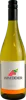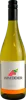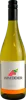
Winery Fülöp PinceIrsai Olivér
 wine
wine
This wine generally goes well with
The Irsai Olivér of the Winery Fülöp Pince is in the top 0 of wines of Neszmély.

Details and technical informations about Winery Fülöp Pince's Irsai Olivér.
Discover the grape variety: Panse précoce
Table grape with long bunches and thin-skinned golden berries with juicy flesh, a sweet and fresh flavour. Very early-ripening, mainly intended for fresh consumption at the start of the season. Grown in the Mediterranean for fresh consumption, appreciated for its early maturity and attractive table appearance, marking the first summer market stalls. French white table grape, an early-ripening mutation of the Panse.
Informations about the Winery Fülöp Pince
The Winery Fülöp Pince is one of of the world's greatest estates. It offers 3 wines for sale in the of Neszmély to come and discover on site or to buy online.

The wine region of Neszmély
Northwest Hungarian region (Ászár-Neszmély), south bank of the Danube, loess and limestone soils, continental climate with strong thermal amplitude preserving acidity. Olaszrizling and Királyleányka signature indigenous white kings: lively and aromatic with citrus, green apple, herbs, white flowers and mineral touch, taut thirst-quenching acidity. Spiced Tramini (rose, lychee), ample Chardonnay and round Pinot Gris as complement. Crisp dry everyday Magyar whites.
The wine region of Észak-Dunántúl
Northern Transdanubia wine region (northern Hungary) grouping Etyek-Buda, Neszmély, Mór and Pannonhalma, with limestone and volcanic soils at Mór. Nearly exclusively white wines: Olaszrizling (Welschriesling) ample with apple, citrus, almond and honeyed touch. Opulent Chardonnay, lively Sauvignon Blanc, floral Tramini and fragrant Muscat Ottonel. Ezerjó generous on volcanic soils.
The word of the wine: Mutage
The act of adding alcohol to a fresh grape must or to a fermenting must.