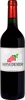
Winery Les Coteaux de Thongue et PeyneLa Concorde
 Red wine
In the mouth this red wine is a powerful with a nice balance between acidity and tannins.
This wine generally goes well with beef, veal or pasta.
Taste structure of the La Concorde from the Winery Les Coteaux de Thongue et Peyne
Light | Bold | |
Smooth | Tannic | |
Dry | Sweet | |
Soft | Acidic |
In the mouth the La Concorde of Winery Les Coteaux de Thongue et Peyne in the region of Pays d'Oc is a powerful with a nice balance between acidity and tannins.
Food and wine pairings with La Concorde
Pairings that work perfectly with La Concorde



Original food and wine pairings with La Concorde
The La Concorde of Winery Les Coteaux de Thongue et Peyne matches generally quite well with dishes of beef, pasta or veal such as recipes of fast and, chinese bowl or veal tagine with peas.
Details and technical informations about Winery Les Coteaux de Thongue et Peyne's La Concorde.
Discover the grape variety: Perdin
Interspecific cross, obtained in 1981, between 7489 (direct white producer hybrid) and csaba pearl.
Informations about the Winery Les Coteaux de Thongue et Peyne
The Winery Les Coteaux de Thongue et Peyne is one of of the world's greatest estates. It offers 8 wines for sale in the of Pays d'Oc to come and discover on site or to buy online.

The wine region of Pays d'Oc
Pays d'Oc is the PGI for red, white and rosé wines that are produced over a wide area of the southern coast of France. The PGI catchment area corresponds roughly to the Languedoc-roussillon">Languedoc-Roussillon wine region, one of the largest wine regions in France. The area covers all wines that are not produced under the strict laws that govern AOC-level appellations in the regions: among them, Corbières, Minervois and the Languedoc appellation itself. The Pays d'Oc PGI is arguably the most important in France, producing the majority of the country's PGI wines.
The word of the wine: Aging
Period during which a wine is kept in a cellar where it goes through different phases of evolution of its aromatic range and a maturation of its constituents (evolution of the colour, refining of the tannins, harmonization of the different flavours, etc.). The wine evolves better and less quickly in large containers, whereas it deteriorates prematurely in half-bottles.