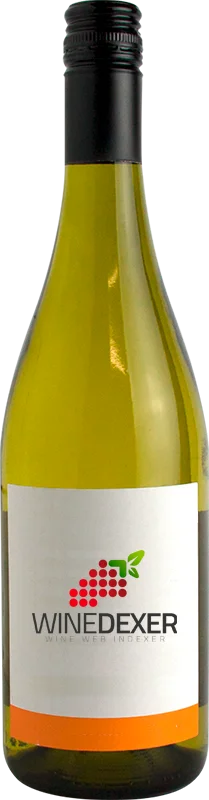
Winery French ParadoxRéserve Sauvignon
 White wine
This wine generally goes well with vegetarian, rich fish (salmon, tuna etc) or shellfish.

Food and wine pairings with Réserve Sauvignon
Pairings that work perfectly with Réserve Sauvignon



Original food and wine pairings with Réserve Sauvignon
The Réserve Sauvignon of Winery French Paradox matches generally quite well with dishes of rich fish (salmon, tuna etc), shellfish or vegetarian such as recipes of congolese pondu, fish paella or nanie's diced ham quiche.
Details and technical informations about Winery French Paradox's Réserve Sauvignon.
Discover the grape variety: Maratheftiko
Structured and intensely coloured age-worthy reds with a deep purple robe, firm tannins and an ample palate, signature aromas of black fruits (blackberry, blackcurrant), spices, Mediterranean garrigue and leather notes. Powerful altitude profile. Considered the finest red grape of Cyprus, experiencing a qualitative renaissance among modern Cypriot winemakers. Autochthonous black grape of Cyprus, grown at altitude in the Troodos Mountains.
Informations about the Winery French Paradox
The Winery French Paradox is one of of the world's greatest estates. It offers 28 wines for sale in the of Pays d'Oc to come and discover on site or to buy online.

The wine region of Pays d'Oc
The single-grape IGP par excellence: modern, accessible, frank and fruity wines, the popular signature of the Midi. Spicy Syrah reds (pepper, blackberry), round Merlot, structured Cabernet, generous Grenache, supple Cinsault. Crisp, tangy rosés. Opulent Chardonnay whites, lively Sauvignon, floral, apricoty Viognier.
The word of the wine: Roundup
Woody part of the grape bunch to which the berries are attached.