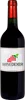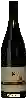
Winery FrassinoBarbera d'Asti
 Red wine


In the mouth this red wine is a powerful with a nice freshness.
This wine generally goes well with pork, poultry or veal.

Taste structure of the Barbera d'Asti from the Winery Frassino
Light | Bold | |
Smooth | Tannic | |
Dry | Sweet | |
Soft | Acidic |
In the mouth the Barbera d'Asti of Winery Frassino in the region of Piedmont is a powerful with a nice freshness.
Food and wine pairings with Barbera d'Asti
Pairings that work perfectly with Barbera d'Asti



Original food and wine pairings with Barbera d'Asti


The Barbera d'Asti of Winery Frassino matches generally quite well with dishes of pasta, veal or pork such as recipes of pasta with walnuts and treviso red salad, veal tagine with preserved lemons and saffron or pork colombo.
Details and technical informations about Winery Frassino's Barbera d'Asti.
Discover the grape variety: Catarratto Bianco
Fresh, structured dry whites with a pale golden color, supple palate and preserved acidity, offering signature aromas of citrus (lemon, bitter orange), almond, white flowers (orange blossom), Mediterranean herbs and mineral notes. A sunny, thirst-quenching profile. Pillar of Sicilian dry whites (Alcamo DOC, Etna Bianco DOC) and essential component of traditional Marsala DOC. One of Italy's most planted varieties, indigenous to Sicily.
Last vintages of this wine
The best vintages of Barbera d'Asti from Winery Frassino are 2015, 0
Informations about the Winery Frassino
The Winery Frassino is one of of the world's greatest estates. It offers 18 wines for sale in the of Piedmont to come and discover on site or to buy online.

The wine region of Piedmont
Kingdom of Nebbiolo: Barolo and Barbaresco DOCG, long-ageing reds with firm tannins and lively acidity, complex aromas of withered rose, sour cherry, tar, truffle and undergrowth. More accessible, tangy Barbera on red fruit, supple, crisp Dolcetto. Sweet, floral sparkling Moscato d'Asti, mineral, lemony Gavi (Cortese) white, round, almondy Arneis from Roero. 50,000 ha across the Langhe, Roero and Monferrato, UNESCO.
The word of the wine: Deposit
Solid particles that can naturally coat the bottom of a bottle of wine. It is rather a guarantee that the wine has not been mistreated: in fact, to avoid the natural deposit, rather violent processes of filtration or cold passage (- 7 or - 8 °C) are used in order to precipitate the tartar (the small white crystals that some people confuse with crystallized sugar: just taste to dissuade you from it)