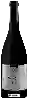
Winery Franc ArmanTeran Barrique
 Red wine


This wine generally goes well with beef
The Teran Barrique of the Winery Franc Arman is in the top 80 of wines of Istra.

Wine flavors and olphactive analysis




On the nose the Teran Barrique of Winery Franc Arman in the region of Istra often reveals types of flavors of non oak, earth or microbio and sometimes also flavors of oak, spices or red fruit.
Food and wine pairings with Teran Barrique
Pairings that work perfectly with Teran Barrique

Original food and wine pairings with Teran Barrique
The Teran Barrique of Winery Franc Arman matches generally quite well with dishes of beef such as recipes of enchiladas franchouillards.
Details and technical informations about Winery Franc Arman's Teran Barrique.
Discover the grape variety: Gamay noir
Light, juicy reds, low in tannins with crunchy freshness, showing aromas of wild strawberry, raspberry, banana (from carbonic maceration) and peony. Easy-drinking style of Beaujolais Nouveau, more structured and mineral on the granites of the ten crus (Morgon, Moulin-à-Vent, Fleurie, Brouilly). Also in Touraine, Auvergne and Swiss Romande. A Burgundian variety, a cross of Pinot Noir × Gouais Blanc.
Last vintages of this wine

The best vintages of Teran Barrique from Winery Franc Arman are 2009, 2013, 2015, 0 and 2012.
Informations about the Winery Franc Arman
The Winery Franc Arman is one of of the world's greatest estates. It offers 14 wines for sale in the of Istra to come and discover on site or to buy online.

The wine region of Istra
Istrian peninsula on the Adriatic, Croatia's smallest wine region but one of its most renowned. Signature Malvazija Istarska (50-70%): expressive, lively whites with notes of acacia, green apple, citrus, fresh almond and marked saline minerality - a perfect match with seafood. Native Teran in tannic, tangy red (blackberry, blood, earth), a unique profile. Also dense Refošk, round Merlot.
The word of the wine: Phylloxera
Aphid that came from America and ravaged European vineyards at the end of the 19th century. It lives on the roots of the vine, from which it pumps the sap. The only vines capable of resisting it had to be imported from the United States, and then grafted onto their root system the wood of traditional French grape varieties. Today, grafted vines are always planted.