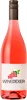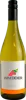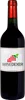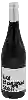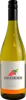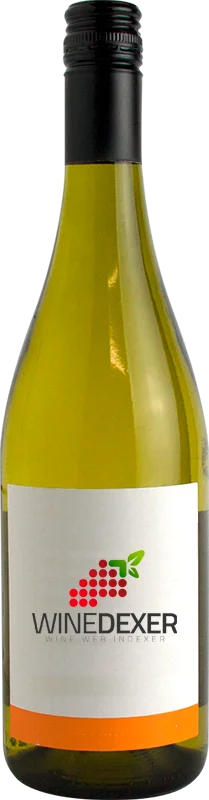
Vignerons CatalansComtes de Lorie Sauvignon
 White wine
This wine generally goes well with vegetarian, rich fish (salmon, tuna etc) or shellfish.

Food and wine pairings with Comtes de Lorie Sauvignon
Pairings that work perfectly with Comtes de Lorie Sauvignon



Original food and wine pairings with Comtes de Lorie Sauvignon
The Comtes de Lorie Sauvignon of Vignerons Catalans matches generally quite well with dishes such as recipes .
Details and technical informations about Vignerons Catalans's Comtes de Lorie Sauvignon.
Discover the grape variety: Gouais
Lively, neutral dry whites with a pale golden robe and a taut, acidic palate, with understated aromas of citrus and white flowers. Simple profile. Genetically the parent (with Pinot Noir) of many great varieties: Chardonnay, Aligoté, Gamay, Melon de Bourgogne, Riesling, etc. Today almost extinct, preserved for its exceptional genetic value in European variety collections. Historic white variety of Central Europe, ubiquitous in the Middle Ages.
Informations about the Vignerons Catalans
The Vignerons Catalans is one of wineries to follow in Vin de France.. It offers 200 wines for sale in the of Vin de France to come and discover on site or to buy online.

The wine region of Vin de France
The freest category of French wine, the playground of winemakers working outside the AOC. All styles combined: fruity reds, lively or ambitious whites, everyday rosés, unusual blends, natural wines, atypical grapes (Petit Manseng in Languedoc, Riesling in Provence), experimental winemaking (skin-contact whites, no sulphur). Grape and vintage labelling allowed, no geographic constraint. From the pop, convivial cuvée to the artisan gem: freedom in a bottle.
The word of the wine: Yeast
Micro-organisms at the base of all fermentative processes. A wide variety of yeasts live and thrive naturally in the vineyard, provided that treatments do not destroy them. Unfortunately, their replacement by laboratory-selected yeasts is often the order of the day and contributes to the standardization of the wine. Yeasts are indeed involved in the development of certain aromas.