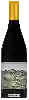
Château Peyriac de MerPrimo Vino 2 Corbières
 Red wine
This wine generally goes well with beef, veal or pasta.
Food and wine pairings with Primo Vino 2 Corbières
Pairings that work perfectly with Primo Vino 2 Corbières



Original food and wine pairings with Primo Vino 2 Corbières
The Primo Vino 2 Corbières of Château Peyriac de Mer matches generally quite well with dishes of beef, pasta or veal such as recipes of beef tongue with mushrooms, chinese noodles with vegetables or milanese cutlets like in italy.
Details and technical informations about Château Peyriac de Mer's Primo Vino 2 Corbières.
Discover the grape variety: Ravat 51
An interspecific cross obtained by Jean-François Ravat around 1930. Some people give it as parents the 6905 Seibel - or subéreux - and the pinot, to be confirmed however. It can still be found in North America and England, but is practically unknown in France.
Informations about the Château Peyriac de Mer
The Château Peyriac de Mer is one of of the world's greatest estates. It offers 4 wines for sale in the of Corbières to come and discover on site or to buy online.

The wine region of Corbières
Corbières is an important appellation in the Languedoc-roussillon">Languedoc-Roussillon region of southern France. It is one of the best known and most productive appellations in the Languedoc. The Corbières vineyards produce large quantities of red and rosé wines, as well as a growing number of white wines. The reds are the strongest Part of the appellation; they are reputedly Rich and herbal, made from Grenache, Syrah, Mourvèdre, Lledoner Pelut and Carignan.
The wine region of Languedoc-Roussillon
Languedoc (formerly Coteaux du Languedoc) is a key appellation used in the Languedoc-Roussillon wine region of southern France. It covers Dry table wines of all three colors (red, white and rosé) from the entire region, but leaves Sweet and Sparkling wines to other more specialized appellations. About 75% of all Languedoc wines are red, with the remaining 25% split roughly down the middle between whites and rosés. The appellation covers most of the Languedoc region and almost a third of all the vineyards in France.
The word of the wine: Nouaison
Phase of the vegetative cycle of the vine following flowering and corresponding to the formation of the grape berry.