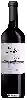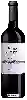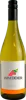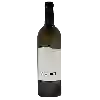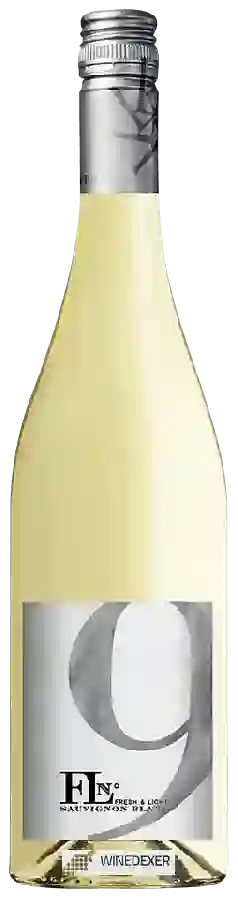
Winery François LurtonFL No. 9 Sauvignon Blanc
 White wine



This wine generally goes well with vegetarian, rich fish (salmon, tuna etc) or shellfish.
Food and wine pairings with FL No. 9 Sauvignon Blanc
Pairings that work perfectly with FL No. 9 Sauvignon Blanc



Original food and wine pairings with FL No. 9 Sauvignon Blanc
The FL No. 9 Sauvignon Blanc of Winery François Lurton matches generally quite well with dishes of rich fish (salmon, tuna etc), shellfish or vegetarian such as recipes of tuna, pepper and tomato quiche, scallops or scallops express with cognac or summer tuna quiche.
Details and technical informations about Winery François Lurton's FL No. 9 Sauvignon Blanc.
Discover the grape variety: Oeillade noire
Probably originating in the Languedoc, oeillade Noire is known by other names such as olhada, aragnan noir, ulhat, hulliade or croque. This variety should not be confused with Cinsault, which is highly productive, producing up to 5kg per vine, and is particularly noted for its drooping habit and vigour. The black eye is a late bloomer. Oidium, mildew and grey rot are its main enemies. It requires a rather short pruning, coulure and millerandage could harm its development and the grapes it would bear. It prefers a good exposure and reaches maturity around the second half of August. Its bunches are of medium size and its fruits have a great resemblance to those of the Cinsault. They have been eaten fresh at the table for a long time. The wine produced from this variety is quite alcoholic and has a colour similar to that of a cherry. The variety is no longer multiplied and seems to be on the way out.
Last vintages of this wine
The best vintages of FL No. 9 Sauvignon Blanc from Winery François Lurton are 2017, 2016
Informations about the Winery François Lurton
The Winery François Lurton is one of of the world's great estates. It offers 109 wines for sale in the of Gascogne to come and discover on site or to buy online.

The wine region of Gascogne
Between the Landes forest, the Garonne and the Pyrenees, the Gascony hillsides cover the Gers dePartment and part of the Landes and Lot-et-Garonne departments. The vineyards occupy the same area as Armagnac, a brandy still produced in the region, but whose volumes have declined in favour of vins de pays (now PGI). Under the influence of a mild oceanic Climate, it is fairly wet in the west, drier in the east, especially in summer. In the west, the subsoil of tawny sands is of marine origin, covered with boulbènes; in the east, it gradually gives way to molasse, a rock resulting from the erosion of the Pyrenees.
The wine region of South West
The South-West is a large territorial area of France, comprising the administrative regions of Aquitaine, Limousin and Midi-Pyrénées. However, as far as the French wine area is concerned, the South-West region is a little less clear-cut, as it excludes Bordeaux - a wine region so productive that it is de facto an area in its own right. The wines of the South West have a Long and eventful history. The local rivers play a key role, as they were the main trade routes to bring wines from traditional regions such as Cahors, Bergerac, Buzet and Gaillac to their markets.
The word of the wine: Maceration
Prolonged contact and exchange between the juice and the grape solids, especially the skin. Not to be confused with the time of fermentation, which follows maceration. The juice becomes loaded with colouring matter and tannins, and acquires aromas. For a rosé, the maceration is short so that the colour does not "rise" too much. For white wines too, a "pellicular maceration" can be practised, which allows the wine to acquire more fat.