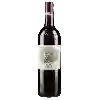
Château BellevueBordeaux
 Red wine



In the mouth this red wine is a powerful with a nice balance between acidity and tannins.
This wine generally goes well with poultry, beef or veal.
Taste structure of the Bordeaux from the Château Bellevue
Light | Bold | |
Smooth | Tannic | |
Dry | Sweet | |
Soft | Acidic |
In the mouth the Bordeaux of Château Bellevue in the region of Bordeaux is a powerful with a nice balance between acidity and tannins.
Food and wine pairings with Bordeaux
Pairings that work perfectly with Bordeaux



Original food and wine pairings with Bordeaux

The Bordeaux of Château Bellevue matches generally quite well with dishes of beef, veal or game (deer, venison) such as recipes of autumn leaves, veal chop normandy style or medallions of monkfish with citrus fruits.
Details and technical informations about Château Bellevue's Bordeaux.
Discover the grape variety: Savatiano
This is one of the most widely cultivated grape varieties in Greece, particularly in the regions of Attica, Euboea and Boeotia, and is virtually unknown in France. It is believed to be a cross between roditis and karystino, two varieties also of Greek origin.
Informations about the Château Bellevue
The Château Bellevue is one of of the world's greatest estates. It offers 7 wines for sale in the of Bordeaux to come and discover on site or to buy online.

The wine region of Bordeaux
Bordeaux, in southwestern France, is one of the most famous, prestigious and prolific wine regions in the world. The majority of Bordeaux wines (nearly 90% of the production Volume) are the Dry, medium and Full-bodied red Bordeaux blends for which it is famous. The finest (and most expensive) are the wines of the great châteaux of Haut-Médoc and the right bank appellations of Saint-Émilion and Pomerol. The former focuses (at the highest level) on Cabernet Sauvignon, the latter on Merlot.
The word of the wine: Rootstock
American vine on which a French vine is grafted. This is the consequence of the phylloxera that destroyed the vineyard at the end of the 19th century: after much trial and error, it was discovered that the "pest" spared the roots of the American vines, and the technique became widespread.