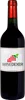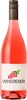
Winery Prieuré Saint Jean de BébianLes Poupées Roses
 Pink wine



In the mouth this pink wine is a powerful with a nice freshness.
This wine generally goes well with vegetarian, appetizers and snacks or lean fish.

Taste structure of the Les Poupées Roses from the Winery Prieuré Saint Jean de Bébian
Light | Bold | |
Dry | Sweet | |
Soft | Acidic |
In the mouth the Les Poupées Roses of Winery Prieuré Saint Jean de Bébian in the region of Pays d'Oc is a powerful with a nice freshness.
Food and wine pairings with Les Poupées Roses
Pairings that work perfectly with Les Poupées Roses



Original food and wine pairings with Les Poupées Roses


The Les Poupées Roses of Winery Prieuré Saint Jean de Bébian matches generally quite well with dishes of pasta, vegetarian or appetizers and snacks such as recipes of makroud, tuna, pepper and tomato quiche or dried tomato, feta and green olive cake.
Details and technical informations about Winery Prieuré Saint Jean de Bébian's Les Poupées Roses.
Discover the grape variety: Corvinone
Structured, intense reds with a deep robe and firm tannins, featuring aromas of black cherry, blackberry, plum, spices and balsamic notes. Highly suited to drying thanks to its large thick-skinned berries, developing candied fruit and chocolate nuances at concentration. A fully recognised pillar of the great Amarone della Valpolicella DOCG and Recioto della Valpolicella DOCG. Native Venetian grape.
Informations about the Winery Prieuré Saint Jean de Bébian
The Winery Prieuré Saint Jean de Bébian is one of of the world's great estates. It offers 17 wines for sale in the of Pays d'Oc to come and discover on site or to buy online.

The wine region of Pays d'Oc
The single-grape IGP par excellence: modern, accessible, frank and fruity wines, the popular signature of the Midi. Spicy Syrah reds (pepper, blackberry), round Merlot, structured Cabernet, generous Grenache, supple Cinsault. Crisp, tangy rosés. Opulent Chardonnay whites, lively Sauvignon, floral, apricoty Viognier.
The word of the wine: Aging on lees
Maturing on the lees enhances the stability, aromatic complexity and texture of white wines, which gain in body and volume. This phenomenon is induced by autolysis, the process of self-degradation of the lees.