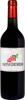
Winery Heritage du Baron LouisGrenache - Cinsault
 Red wine
In the mouth this red wine is a powerful with a nice balance between acidity and tannins.
This wine generally goes well with beef, veal or pasta.

Taste structure of the Grenache - Cinsault from the Winery Heritage du Baron Louis
Light | Bold | |
Smooth | Tannic | |
Dry | Sweet | |
Soft | Acidic |
In the mouth the Grenache - Cinsault of Winery Heritage du Baron Louis in the region of Pays d'Oc is a powerful with a nice balance between acidity and tannins.
Food and wine pairings with Grenache - Cinsault
Pairings that work perfectly with Grenache - Cinsault



Original food and wine pairings with Grenache - Cinsault
The Grenache - Cinsault of Winery Heritage du Baron Louis matches generally quite well with dishes of beef, pasta or veal such as recipes of beef and spice stuffed peppers, spaghetti with "favouilles" (curries) or sauté of veal with mushrooms.
Details and technical informations about Winery Heritage du Baron Louis's Grenache - Cinsault.
Discover the grape variety: Aromella
Very aromatic off-dry and sweet whites with a pale golden-grey colour, a fragrant, fresh palate with preserved acidity, and intense signature muscat aromas of fresh grapes, rose, lychee and exotic fruits. Seductive aromatic profile. Grown in the north-eastern United States for aromatic sweet and off-dry wines. An American hybrid bred in 2013 by Cornell University (Muscat × Traminer).
Informations about the Winery Heritage du Baron Louis
The Winery Heritage du Baron Louis is one of of the world's greatest estates. It offers 10 wines for sale in the of Pays d'Oc to come and discover on site or to buy online.

The wine region of Pays d'Oc
The single-grape IGP par excellence: modern, accessible, frank and fruity wines, the popular signature of the Midi. Spicy Syrah reds (pepper, blackberry), round Merlot, structured Cabernet, generous Grenache, supple Cinsault. Crisp, tangy rosés. Opulent Chardonnay whites, lively Sauvignon, floral, apricoty Viognier.
The word of the wine: Raw
A term whose meaning varies according to the region (terroir or estate), but which everywhere contains the idea of identifying a wine with a specific place of production.